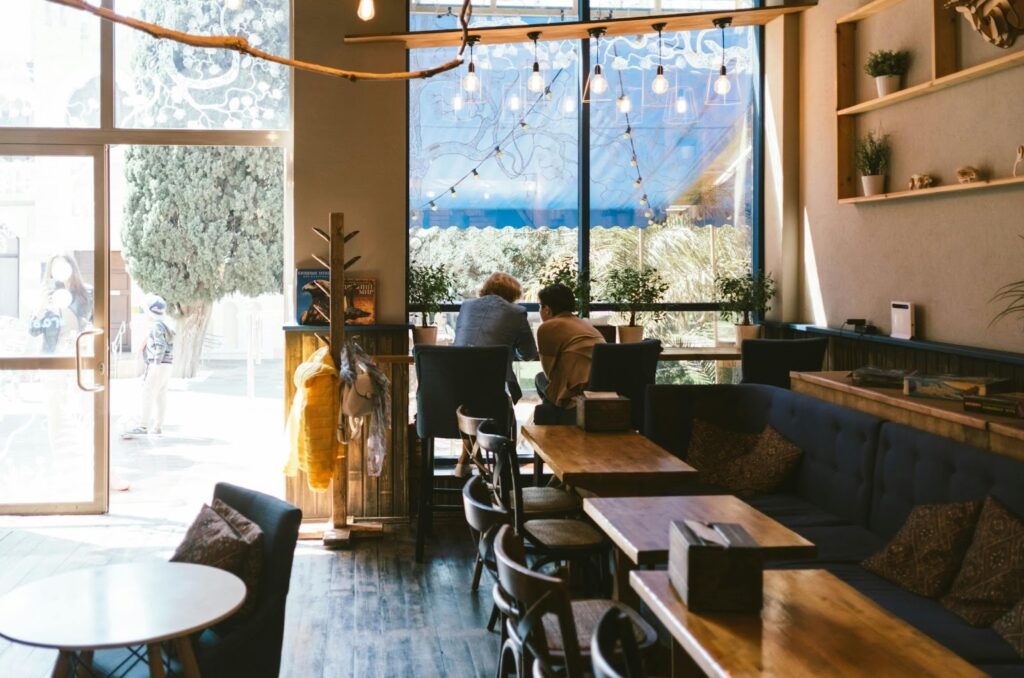
Starting a new restaurant is one of those things that makes you feel excited, creative, and full of potential, but it can also be a little scary. There are a lot of things to think about, like the environment, the menu, the location, the personnel, the budget, and the guest experience. But some of the nicest places I’ve eaten weren’t the most fancy. They just felt planned, like if someone really cared about every little thing.
I used to work with a small café owner who opened the place because she loved breakfast pastries and taking her time in the morning. There weren’t any big marketing campaigns or trendy seats. Instead, it was a cosy setting with warm service and food that was cooked with care. People didn’t simply come in for the pastries; they came for the atmosphere.
At its foundation, a successful dining idea is a mood that stays with guests.
Here are six important things to think about before making your own.
1. Understand the Core of Your Idea
Before you start picking paint colours or planning a menu, take a minute to think about what your dining experience means. Think about:
- What do you want people to think when they walk in?
- What makes your space different from others?
- What is the point of this dining idea?
Clarity is what keeps you grounded here. Things can get out of hand rapidly without it.
Your music, menu size, decor, and service style should all fit with the idea that your place is cosy and private. You should lean into communal tables, loud music, and a bustling atmosphere if you want it to be friendly and fun.
Your idea doesn’t have to be hard to understand; it just has to be obvious.
2. Get to know your guests and your community
Every restaurant has a relationship with the individuals it serves. Take the time to learn:
- What do people in the area want in places to eat?
- What kinds of meals aren’t available in your area?
- What pricing ranges do you think are fair and reasonable?
Spend time in the neighbourhood at different times of the day. Pay attention to the people walking by, the café culture, and the way people act. Talk less and listen more. Having real awareness is a superpower in the hospitality business.
3. The location should help the experience.
Not only does the position affect visibility, it also affects the tone.
For example:
- A peaceful, romantic idea shines in a neighbourhood that moves slowly.
- A grab-and-go lunch place does well near offices or public transportation.
- A late-night cocktail kitchen is a good fit for areas with lots of entertainment.
Think about who will be walking by. Will they automatically walk inside? The “right” place is one where your idea fits in.
4. Make a Menu That Tells a Story
You don’t need a big menu. In reality, simpler, well-thought-out menus frequently make the kitchen run more smoothly and keep the quality of the food more consistent.
Think about:
- Dishes that make your restaurant stand out
- Flavours and substances that are related to your story
- Flexibility and balance in your diet
- How well the kitchen works
Your menu should read like a conversation, not a list of things to buy.
And don’t forget that food is emotional. Make it feel like it’s yours.
5. The atmosphere is more than just the decor.
What guests consume is just as important as how they feel in the space.
Think about your five senses:
- Instead of bright lights, use warm, layered lights.
- Music in the background that fits the mood
- Seating that is comfortable and makes guests want to stay
- Natural scents, not strong candles or perfumes
- An open layout, not a confined one
Atmosphere is where what you want to happen becomes real.
6. Don’t only make operations look good; make them last.
A well-run back-of-house system is what makes a restaurant outstanding. The reality is, dining success depends on workflow, staffing support, supply reliability, and consistent service.
Think about this:
- Can this menu be used during busy times?
- Are the staffing expectations realistic?
- Which suppliers will be dependable long-term?
- What tools and equipment do you need right away?
A concept isn’t just about launch day—it’s about every day that follows.
Helpful Resources for Bringing Your Dining Concept to Life
Help with building and constructing restaurants
To create a space that feels both functional and aligned with your concept, professional build-out support helps bring the vision into physical form. restaurant building in Toronto offers construction expertise specifically tailored to restaurant environments.
Property and Space Management
Managing upkeep and convenience is important for people who buy or rent business spaces. Ottawa Property Management provides property care solutions that help keep your venue running smoothly day-to-day.
Reliable Kitchen Tools & Fuel Supply
A dependable supply chain is essential to keeping your kitchen running. A trusted ESAB supplier ensures you have safe, consistent access to equipment and materials needed to support daily service.
Bringing It All Together
When all these elements—identity, audience, location, menu, atmosphere, operations—work in harmony, your dining concept becomes more than a business. It becomes a place people remember.
People may not recall every dish perfectly, but they always remember how a place made them feel.
Conclusion: Build With Intention and Heart
A dining concept doesn’t succeed because it tries to impress—it succeeds because it connects.
- Take your time.
- Think with your heart.
- Let your personality guide your choices.
- Focus on the guest experience—always.
If your concept makes people feel welcome, understood, and delighted, they’ll come back. And they’ll bring others with them.
That’s how dining experiences become stories. And stories become community.