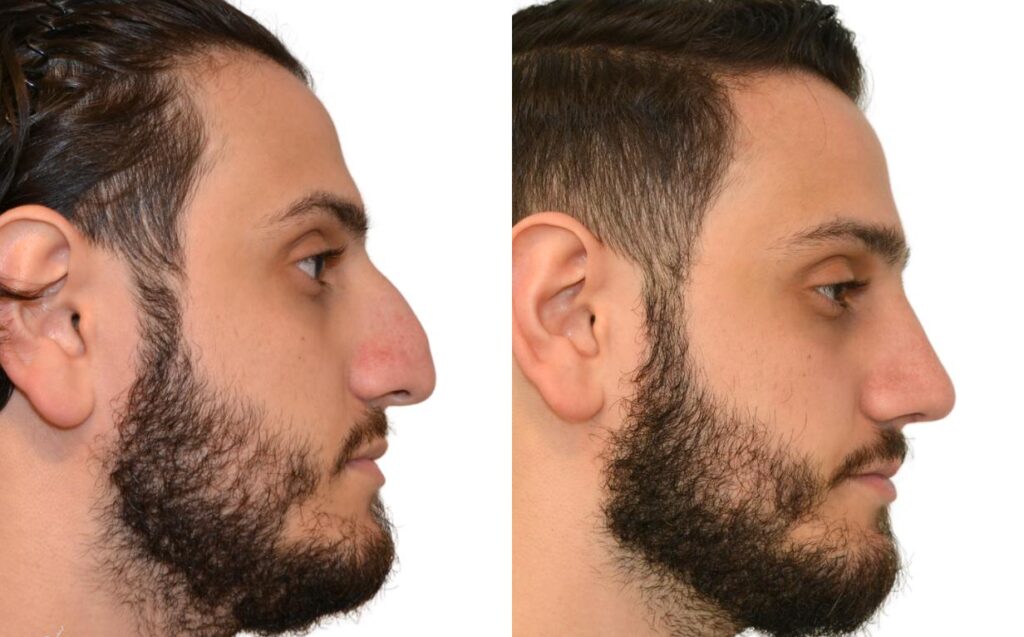
Rhinoplasty, more commonly known as a nose job, is one of the most requested cosmetic procedures worldwide. While functional reasons such as correcting breathing difficulties or repairing injuries are part of the story, much of the global demand is driven by aesthetic goals. And these goals are rarely formed in isolation — they are deeply influenced by culture, media, and beauty trends.
In today’s interconnected world, patients seeking rhinoplasty are influenced not only by the beauty ideals of their own country but also by global fashion trends. This merging of cultural preferences has created a fascinating evolution in nose aesthetics, where traditional standards meet modern, international styles.
The Cultural Lens: How Societies Define the “Ideal Nose”
Every culture has its own set of beauty ideals, shaped by history, art, and social norms. In some parts of the world, a narrow, straight bridge is considered a mark of refinement, while in others, a softly rounded tip or wider nasal structure is preferred. These ideals are not fixed — they shift over decades as societal values, celebrity influence, and media representation evolve.
For example:
- Western beauty standards in the 1950s favored a petite, upturned nose, while the 1990s leaned toward more angular and defined shapes.
- Middle Eastern aesthetics often value a harmonious balance between the nose and other facial features, with smooth bridges and refined tips.
- East Asian preferences historically favored smaller nasal structures, but there has been a rise in interest in slightly higher bridges influenced by Western trends.
The Impact of Globalization on Nose Aesthetics
The rise of social media platforms such as Instagram, TikTok, and YouTube has allowed beauty ideals to cross borders faster than ever before. People are now exposed to facial features and styles from all corners of the globe, and this global exchange is reshaping perceptions of the “ideal” nose.
One example of this is the growing popularity of the button nose trend, characterized by a small, rounded nasal tip that conveys a youthful and delicate appearance. This style has gained international attention, especially among younger patients. If you want to learn why this trend resonates so strongly, explore our detailed feature: The Button Nose Phenomenon: Why It’s So Popular.
Ethnicity and the Art of Personalization
While trends can be a source of inspiration, successful rhinoplasty should always be personalized. Each person’s nasal structure is influenced by their ethnicity, genetics, and skin type. Ignoring these factors can lead to results that look unnatural or fail to harmonize with the rest of the face.
Different ethnicities have distinct nasal characteristics, and understanding these differences is crucial for both patients and surgeons. From bridge height to tip projection, these features guide what’s achievable and aesthetically pleasing. For a deeper look at this topic, read our guide: What Are the Different Nose Shapes Across Ethnicities?.
The Psychology of Nose Shape Preferences
Why do we find certain nose shapes more attractive? Psychology plays a major role. Studies in facial perception suggest that symmetry, proportion, and balance are key factors in beauty. Cultural conditioning also shapes these perceptions — what is considered beautiful in one region may not carry the same appeal in another.
- Familiarity bias: People often find features similar to those in their community more attractive.
- Media exposure: Repeated exposure to certain nose shapes through celebrities, influencers, and film can create a subconscious preference.
- Self-image goals: Some patients seek nose shapes that align with their self-identity or the persona they want to project.
Balancing Trends with Timeless Beauty
Trends are appealing because they are current, but they may not stand the test of time. Choosing a nose shape based solely on current fashion risks future regret if tastes change. That’s why many skilled surgeons encourage a balance between trendiness and timelessness.
The ideal rhinoplasty outcome should:
- Complement the overall facial structure.
- Enhance natural beauty rather than replace it.
- Maintain harmony with the patient’s cultural and personal identity.
How Technology Is Changing Nose Design
Modern surgical planning tools have revolutionized rhinoplasty. With 3D imaging and simulation software, patients can preview potential results before surgery. This allows for a more collaborative process between patient and surgeon.
Benefits of this technology include:
- Realistic previews based on actual anatomy.
- The ability to compare multiple style options.
- Reduced risk of disappointment after surgery.
The Role of Celebrities and Influencers
Celebrities have always influenced beauty trends, but the digital era has multiplied their impact. Social media influencers, reality TV personalities, and film stars often set the tone for what’s fashionable in facial aesthetics. A single viral image can spark a wave of requests for a specific nose style in clinics worldwide.
Deciding on the Right Nose Shape: A Step-by-Step Guide
If you are considering rhinoplasty, here’s a process that can help you make an informed choice:
- Research Different Shapes – Explore both modern trends and timeless styles.
- Consider Your Ethnicity – Choose shapes that work harmoniously with your heritage.
- Consult with a Specialist – A skilled surgeon can assess what’s achievable.
- Use Digital Simulations – Visualize different options before making a decision.
- Think Long-Term – Opt for a style that will look good for years to come.
Why Linking Trends to Identity Matters
In the end, a rhinoplasty should reflect who you are — not just the trends of the moment. Cultural trends, media influence, and personal taste all contribute to the decision, but your identity and comfort with the result are what matter most.
Final Thoughts
Rhinoplasty is more than a cosmetic procedure; it’s a reflection of cultural identity, personal taste, and the evolution of beauty ideals. From global trends like the button nose to the appreciation of ethnic diversity in nose shapes, modern patients have more inspiration than ever before. The key is to use these influences as a guide, not a blueprint, and to work with a skilled professional who can translate your vision into a natural, timeless result.