Hip replacement surgery is a common procedure to relieve pain and restore mobility in patients with hip joint damage due to arthritis, fractures, or other conditions. Traditional hip replacement often involves significant muscle and tissue disruption, leading to longer recovery times. Understanding the procedure, its goals, and available surgical approaches is essential for patients to make informed decisions.
What Is the Direct Anterior Approach (DAA)
The Direct Anterior Approach is a minimally invasive hip replacement technique that accesses the hip joint through the front of the body. Unlike traditional methods, DAA avoids cutting major muscles, reducing trauma and preserving soft tissue integrity. This approach allows for more precise implant placement and maintains natural hip mechanics. Patients often experience less post-operative pain, quicker functional recovery, and improved early mobility. Understanding the principles and advantages of DAA helps patients and doctors determine whether this method is suitable based on individual anatomy and lifestyle requirements.
How DAA Differs from Traditional Hip Replacement Techniques
Traditional hip replacement usually involves lateral or posterior approaches that require cutting or detaching muscles around the hip joint. This can result in longer recovery periods, increased pain, and temporary mobility limitations. DAA avoids muscle disruption by using a natural interval between muscles, which preserves strength and stability. The minimally invasive nature of this approach often allows for shorter hospital stays, smaller scars, and faster resumption of daily activities.
Benefits of the Direct Anterior Approach
The Direct Anterior Approach offers several key advantages:
- Reduced muscle damage for faster recovery
- Smaller surgical incision with improved cosmetic outcomes
- Lower risk of post-surgical hip dislocation
- Quicker resumption of walking and physical activity
- Less postoperative pain and reduced need for pain medications
Ideal Candidates for DAA Hip Replacement
Not every patient is suited for the Direct Anterior Approach. Ideal candidates are typically:
- Adults with osteoarthritis, rheumatoid arthritis, or avascular necrosis
- Individuals with a healthy bone structure and moderate body weight
- Patients seeking faster recovery and early mobility
Patients with severe obesity, complex hip deformities, or prior hip surgeries may require alternative approaches. A thorough preoperative evaluation by an orthopedic specialist helps determine suitability, ensuring safety and optimal outcomes.
Preoperative Preparation and Planning
Preoperative preparation is essential for a successful hip replacement. This includes:
- Comprehensive medical evaluation and imaging tests
- Reviewing current medications and medical history
- Discussing anesthesia options and surgical expectations
- Planning rehabilitation and post-surgery support
Proper preparation reduces complications, ensures accurate implant placement, and accelerates recovery. Patients should engage in pre-surgery exercises to strengthen surrounding muscles and improve overall fitness.
The Surgical Procedure
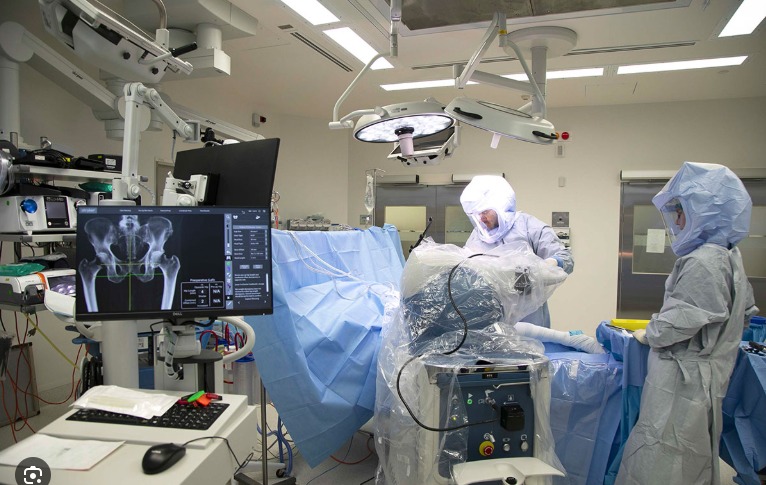
DAA hip replacement begins with a small incision at the front of the hip. The surgeon carefully moves muscles aside without cutting them, exposing the hip joint. Damaged cartilage and bone are removed, and the prosthetic components are implanted with precision. Fluoroscopy or computer-assisted guidance may be used for accurate alignment. The incision is closed, and the patient is transferred to recovery.
Postoperative Recovery and Rehabilitation
Recovery after DAA hip replacement is typically faster than traditional methods. Patients can often:
- Stand and walk with assistance on the day of surgery or the next day
- Resume normal daily activities within weeks
- Participate in guided physical therapy to strengthen hip muscles
- Experience reduced reliance on pain medications
Adherence to rehabilitation protocols and follow-up appointments is essential to ensure proper healing, restore joint function, and prevent complications.
Risks and Considerations of DAA Hip Replacement
While the Direct Anterior Approach has advantages, potential risks include:
- Nerve injury near the front of the hip
- Wound healing complications
- Rare implant malposition
- Fractures during surgery in patients with weak bones
Careful patient selection, experienced surgical teams, and proper preoperative planning minimize these risks.
Ahmedabad has become a hub for advanced orthopedic care, offering modern facilities, skilled surgeons, and comprehensive rehabilitation programs. The city combines modern hospitals with experienced teams specializing in minimally invasive techniques. Those seeking expert care can opt for Direct Anterior Approach Hip Replacement In Ahmedabad.
Choosing the Right Orthopedic Specialist for DAA Surgery
Selecting a qualified orthopedic specialist is critical for a successful DAA hip replacement. Look for:
- Board-certified surgeons with experience in minimally invasive hip procedures
- Hospitals with modern surgical equipment and rehabilitation facilities
- Positive patient outcomes and reviews
A specialist can evaluate your suitability, explain risks and benefits, and guide preoperative preparation and postoperative care, ensuring the best possible results from surgery.
References:
- https://pmc.ncbi.nlm.nih.gov/articles/PMC3890195/
- https://www.sarvodayahospital.com/blog/direct-anterior-approach-for-hip-replacement-procedure-benefits-and-recovery
- https://www.youtube.com/watch?v=rjS-Ew8-se8
- https://www.merillife.com/blogs/advancements-in-total-hip-replacement-the-direct-anterior-approach