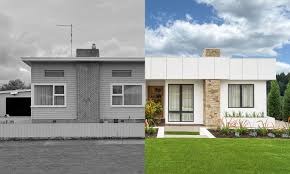
For many homeowners, the idea of starting fresh—without leaving a familiar neighbourhood—can be incredibly appealing. That’s where a knockdown-rebuild project comes in. Instead of renovating an ageing or impractical house, you remove the existing structure and build a brand-new home on the same block.
On paper, it sounds simple. In reality, it’s a major decision with moving parts that affect your budget, timeline, lifestyle, and long-term satisfaction. Much like launching a new business or planning a large investment, success comes down to preparation, clarity, and choosing the right partners. Before any demolition begins, several essential factors are worth careful consideration.
Understanding Whether Knockdown-Rebuild Is the Right Choice
The first question to ask isn’t how to rebuild—it’s whether rebuilding makes sense for your situation. Many people reach this point after years of patchwork renovations that never quite solve layout, energy efficiency, or structural issues.
If your home has outdated wiring, poor insulation, low ceilings, or awkward room flow, renovations can become a cycle of compromises. It’s similar to upgrading an old car: replacing parts may keep it running, but it won’t deliver the performance, safety, or comfort of a modern vehicle built from the ground up.
Location is another key factor. If you love your street, schools, commute, or community, moving may not be appealing—even if the house itself no longer works for your lifestyle. A knockdown-rebuild allows you to stay put while creating a home that suits how you live now, not how people lived decades ago.
It’s also worth checking council rules and zoning requirements early. Some blocks have restrictions related to heritage overlays, setbacks, or tree protection. Understanding these upfront avoids surprises later and helps shape realistic expectations for what can be built.
Budgeting Beyond the Build Price
One of the most common misconceptions about knockdown-rebuild projects is focusing only on the build cost. While construction is a major expense, it’s rarely the only one.
Additional costs may include demolition, site preparation, temporary accommodation, utility disconnections and reconnections, design changes, permits, and landscaping. Think of it like planning a wedding: the venue matters, but catering, styling, logistics, and timing all add up quickly.
Another important consideration is contingency. Unexpected delays, weather issues, or material price changes can impact timelines and costs. Having a financial buffer helps reduce stress if things don’t go exactly as planned—which they rarely do in large projects.
Financing also deserves careful thought. Loan structures for knockdown-rebuild projects can differ from standard home loans, often involving progress payments tied to construction stages. Speaking with a financial adviser early can help ensure cash flow remains manageable throughout the build.
Designing for How You Actually Live
One of the biggest advantages of a knockdown-rebuild is the freedom to design a home that fits your real life—not an idealised version of it.
This is your chance to rethink how spaces connect. Open-plan kitchens for families who cook and gather together. Quiet work zones for remote professionals. Ground-floor bedrooms for long-term accessibility. Storage is designed around daily habits rather than unused formal rooms.
A helpful approach is to observe your current routines. Where do bags pile up? Which rooms get the most use? Where do you wish there were more light, space, or privacy? These observations are more valuable than any design trend.
Energy efficiency should also be part of the conversation. Modern building standards allow for better insulation, ventilation, and orientation, which can significantly reduce energy bills over time. According to studies on sustainable building, thoughtful design can improve comfort while lowering long-term environmental and financial costs.
Choosing the Right Team and Setting Clear Expectations
Perhaps the most important factor in a successful knockdown-rebuild project is who you work with. A strong build isn’t just about materials—it’s about communication, transparency, and trust.
Look for a team that explains the process clearly, answers questions without jargon, and sets realistic timelines. Just as you’d expect clear milestones from a project manager or service provider in any industry, building professionals should provide structured updates and defined stages.
This is also the stage where many homeowners begin exploring builders that align with their vision and priorities. In the middle to later part of your planning journey, you may find it helpful to review projects and guidance from teams such as Tide Constructions to better understand what’s possible and what to expect throughout the build process.
Clear documentation matters. Ensure inclusions, exclusions, timelines, and responsibilities are outlined in writing. This clarity protects everyone involved and helps prevent misunderstandings that can lead to stress or delays later on.
Finally, consider how the build will affect your daily life. Temporary relocation, storage, school routines, and work schedules all come into play. Planning these logistics early makes the transition smoother and keeps focus on the excitement of the end result.
Final Thoughts
A knockdown-rebuild project is more than a construction decision—it’s a lifestyle investment. When approached thoughtfully, it offers the opportunity to create a home that reflects your needs, values, and future plans without giving up the location you love.
By understanding whether rebuilding is the right fit, budgeting realistically, designing for real life, and choosing the right team, you set the foundation for a smoother journey and a home that truly feels like it was built for you. With the right preparation, a knockdown-rebuild can be less overwhelming—and far more rewarding—than many people expect.