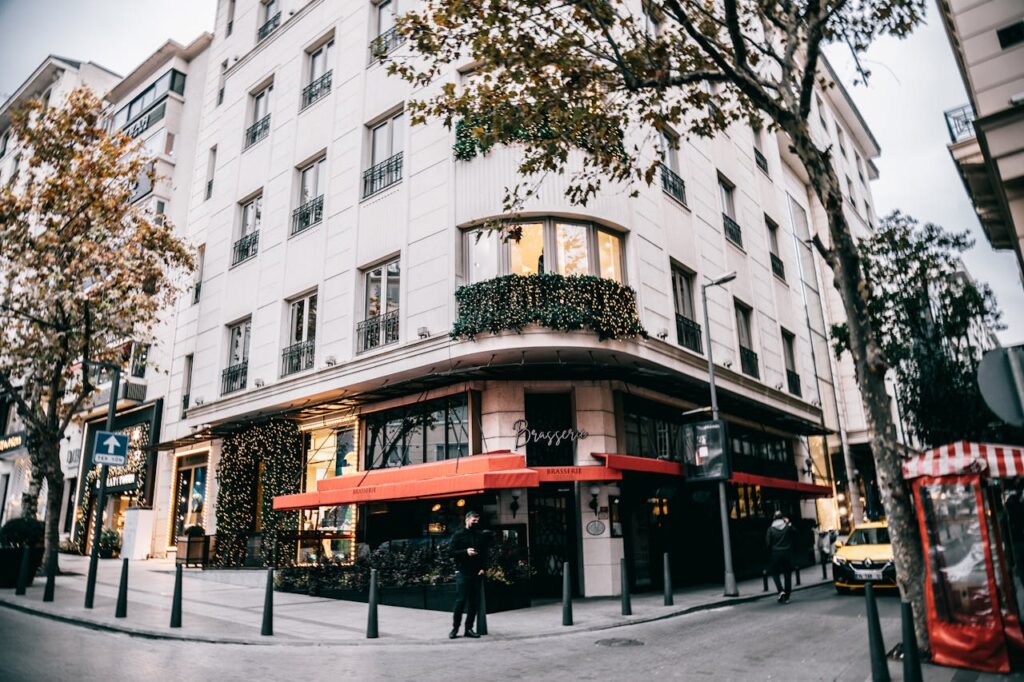
New Jersey has become one of the most talked-about places for digital creatives and cultural trendsetters. What was once seen as a backdrop is now firmly in the spotlight. The energy is visible on the streets of Jersey City, in the studios of Newark, and throughout the growing creative communities across the state.
Content creators, artists, designers, and digital entrepreneurs are building their brands, launching new projects, and drawing attention well beyond the region. This article breaks down the factors that helped New Jersey attract and support the next generation of creative leaders.
Smart Tax Incentives
New Jersey’s rise as a creative center started with a clear policy shift. In 2023, the state expanded its Film and Digital Media Tax Credit, offering up to 35% back on qualified production costs. Additional incentives were available for companies that prioritized diverse hiring. This policy created immediate interest.
Production companies, filmmakers, advertisers, online creators, and independent developers began choosing New Jersey as a base for new projects. The financial support made the state more competitive and gave it an edge in attracting large-scale investments.
As a result, major studios started building long-term infrastructure. Lionsgate began construction on a major studio facility in Newark; Netflix and 1888 Studios committed to large production campuses in Bayonne and Fort Monmouth. In Atlantic City, ACX1 Studios launched operations along the boardwalk, creating new opportunities for commercial and music video production.
These developments led to new jobs and attracted a wide range of creative professionals. This included not only those working in film and digital media but also designers and content producers supporting the state’s growing online casino industry based in New Jersey.
As the demand for high-quality branded content, user interface design, and interactive gaming experiences increased, more creatives found opportunities in this fast-moving sector. The state became a practical and well-supported location for building creative businesses across entertainment, media, and digital gaming.
Tech & Innovation Ecosystem in Jersey City
Jersey City is one of the strongest examples of New Jersey’s creative growth. It brings together technology, design, and public art in ways that are practical and visible. Two key developments are SciTech Scity and The Cove.
These are mixed-use campuses where scientists, designers, and digital artists work in the same spaces. Augmented reality artists create public installations in shared labs. Developers and muralists use the same co-working floors. Public programs connect science, technology, and art through exhibitions and events that are open to the community.
Jersey City’s mural arts programs have also played a significant role. Through JCMAP and JCYMAP, more than 200 murals have been created across the city. These works reflect a variety of perspectives, including immigrant experiences, LGBTQ+ history, and local culture.
Some murals include augmented reality features or QR codes that link to short videos, giving people more context and information. Visitors can explore the murals through digital maps, which make it easier to find and learn about the artwork. This has helped turn the city into a well-organized and active public gallery that highlights local identity and creative work.
Festivals That Make Culture Happen
Festivals have played a key role in shaping New Jersey’s creative culture. Rather than serving as one-time events, they have helped build year-round visibility, collaboration, and momentum across creative communities.
JCAST 2025, Jersey City’s annual Art and Studio Tour, took place from October 3 to 5 and expanded far beyond a traditional gallery walk. More than 120 venues participated, including churches, warehouses, and repurposed shipping containers turned into temporary galleries.
The event was curated by Atim Annette Oton and the team at The Creative Side, with a focus on community-first, artist-led storytelling. Exhibits and programs ranged from Afro-futurist virtual reality installations to silent discos using AI-generated visuals. The format emphasized participation and accessibility, making it a practical example of how cultural events can grow from within creative neighborhoods.
The North to Shore Festival brought a broader, statewide presence to the cultural calendar. Hosted in Newark, Asbury Park, and Atlantic City, the festival combined music, film, comedy, and technology into a single platform.
Headliners included nationally recognized artists, while local TikTok creators performed on shared stages. Esports competitions were held in public beachfront arenas, and programming included panel discussions on creative artificial intelligence alongside live performances and digital poetry readings. The event connected different audiences and creative sectors in a way that reflected New Jersey’s growing influence in entertainment, tech, and digital media.
The Rise of Jersey’s Creator Economy
Social media has become a core platform for creative work, and New Jersey creators are using it to build strong personal brands, grow audiences, and launch businesses. With access to the New York City market but fewer barriers to entry, the state offers a practical environment for content creation and digital entrepreneurship.
Local creative networks have also helped fuel this momentum. Communities like Jersey Creators Market, Hudson Collab, and Hotspot Creatives organize mixers, shoot days, and collaborative challenges that support growth and visibility. This structure has created a supportive, self-sustaining ecosystem for the state’s expanding creator economy.
Final Thoughts
New Jersey has become a practical and reliable location for digital creatives. In 2025, strong policies, growing infrastructure, and active local networks helped turn the state into a solid environment for creative work. Cities like Jersey City and Newark now offer the space, support, and access that professionals need. As this growth continues, New Jersey is positioned to remain an essential part of the national creative economy.