Buying a vehicle is one of those big decisions that sits at the crossroads of practicality and personal choice. Whether you’re shopping for your first car or upgrading to something more family-friendly, finding the right balance between cost, quality, and features can feel overwhelming. The good news? With the right approach, you can secure a vehicle that fits both your lifestyle and your budget without second-guessing yourself.
In this guide, we’ll explore how to identify the best vehicle for your needs, where to look, and what steps you can take to save you money while ensuring peace of mind.
Start with What You Really Need
Think of shopping for a vehicle like shopping for a home appliance. If you’ve ever gone into a store looking for a refrigerator, you probably noticed how easy it is to get distracted by features you don’t actually need. The same goes for cars. It’s essential to define your “must-haves” before getting swept up in the allure of shiny extras.
For instance:
- If you have a growing family, safety ratings and interior space should be top priorities.
- If you’re a commuter, fuel efficiency and reliability may be the most important factors.
- If you enjoy outdoor hobbies, cargo space, or all-wheel drive may be your top priorities.
By narrowing down your essentials, you avoid paying extra for features that won’t improve your everyday life. It’s the same principle that logistics companies use when choosing delivery vehicles—they pick what’s practical for the job, not necessarily what looks the flashiest.
Do Your Homework Before Stepping Onto a Lot
Impulse buying is tempting, especially when you see a vehicle gleaming under showroom lights. But preparation is your greatest tool for saving money. Doing your research ahead of time helps you set realistic expectations and gives you bargaining power when it’s time to negotiate.
Here are a few ways to get started:
- Check reviews and ratings. Reliable resources can tell you how a model has performed over the years in terms of maintenance, comfort, and fuel economy.
- Compare prices online. Just like shopping for electronics or even booking flights, a few minutes of comparison can reveal big differences in pricing across sellers.
- Look at ownership costs. Insurance, taxes, fuel, and routine maintenance add up. Sometimes, the cheaper sticker price doesn’t mean lower long-term expenses.
Think of it like investing in equipment for a small business. You wouldn’t buy a piece of machinery without knowing its track record and maintenance needs—you’d want to know the full cost picture. Cars deserve the same careful analysis.
Shop Smart: Timing and Location Matter
One often overlooked aspect of car buying is timing. Dealerships and private sellers alike operate on cycles, which can work in your favor. End-of-month or end-of-year sales events often offer better deals as sellers strive to meet their quotas.
Location also plays a role. Urban areas may offer a wider selection but slightly higher prices due to increased demand, while smaller towns may offer lower prices but fewer options. A bit of flexibility in where you shop could result in significant savings.
This is similar to how real estate investors look for properties—they pay attention to market timing and location, not just the building itself. Your vehicle is no different.
Explore Options Like Used SUVs
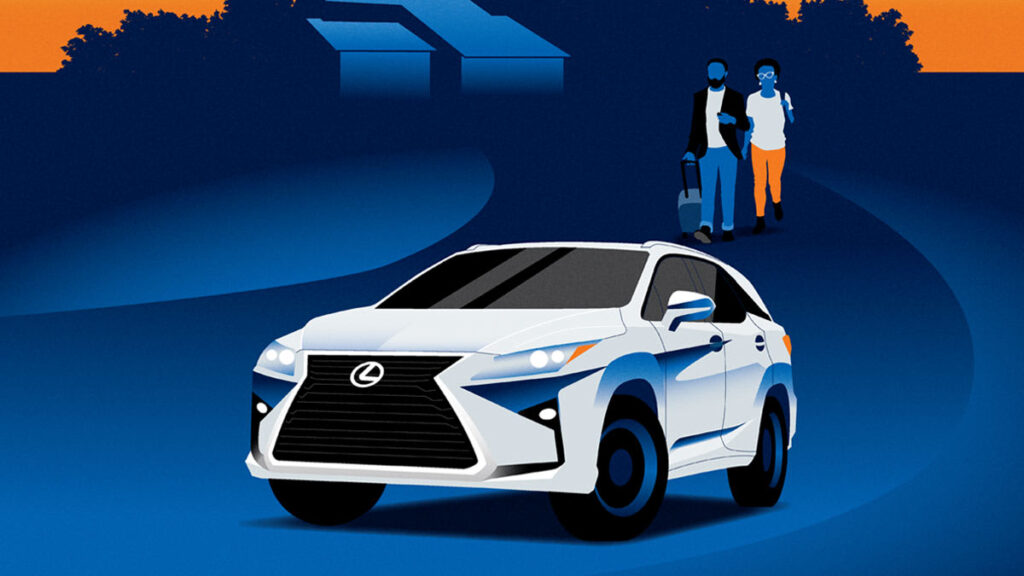
As your search narrows, don’t overlook categories that provide excellent value. For example, many families and professionals find that SUVs strike a good balance between space, safety, and versatility. New models can be pricey, but exploring options like used SUVs for sale can often deliver the same reliability at a much lower cost.
This is especially true if you’re open to slightly older models with strong reputations. A well-maintained SUV can last for years, offering comfort for road trips, reliability for daily commutes, and space for everything from groceries to camping gear.
The key is to focus on condition, mileage, and maintenance history rather than simply age. Think of it like buying refurbished electronics—you’re getting solid performance at a fraction of the cost, provided the product has been properly cared for.
Don’t Skip the Test Drive and Inspection
A vehicle might look great on paper, but you’ll never truly know how it feels until you’re behind the wheel. During a test drive, pay attention to handling, visibility, noise levels, and comfort. If you plan to use the car for long commutes, even small discomforts can become major annoyances over time.
Equally important is a professional inspection, especially if you’re buying used. Mechanics can spot hidden issues that could cost you thousands down the road. It’s the same principle construction companies use before purchasing equipment—they assess every detail before making the investment.
Negotiate with Confidence
Negotiation doesn’t have to be confrontational. It’s simply a process of aligning what you’re willing to pay with what the seller is asking. Going into the discussion with data—average market prices, vehicle history reports, and a pre-approved loan amount—puts you in a strong position.
Think of it like project management: when both sides have clear expectations, the conversation flows more smoothly and leads to a fair outcome. If you’ve done your homework, you’ll know when an offer is worth accepting or when it’s time to walk away.
Final Thoughts
Finding the right vehicle at the best price isn’t about rushing into the first good-looking deal you see. It’s about combining preparation with patience, just like any other big life decision. Start with your needs, research thoroughly, shop at the right time, and don’t forget to explore opportunities in the used market.
With these steps, you can drive away with a vehicle that not only fits your lifestyle but also leaves you confident about the money you’ve spent. Much like how people approach consumer finance, success lies in making informed decisions backed by careful planning.