Table of Contents
- Introduction to Smart Tint Technology
- How Smart Tint Works
- Benefits of Smart Tint in Vehicles
- Applications in Modern Vehicles
- Advancements in Smart Tint Technology
- Considerations Before Installation
- Future Outlook
- Conclusion
Introduction to Smart Tint Technology
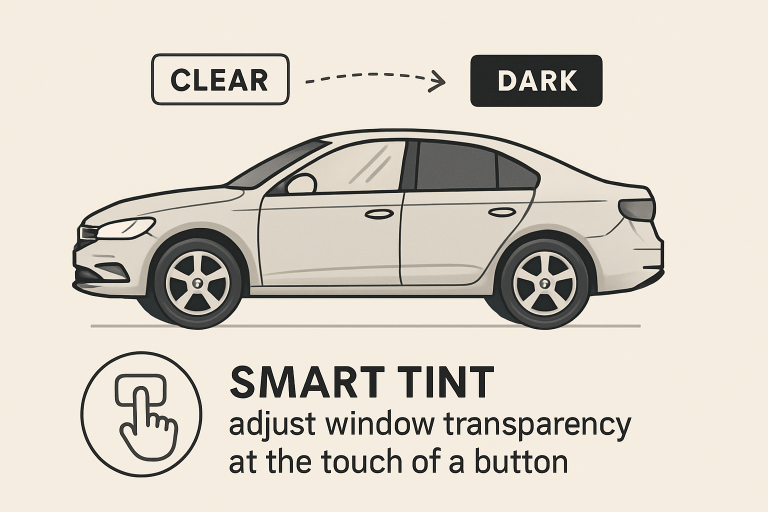
Automotive innovation continues to accelerate, and smart tint technology stands at the forefront of this evolution. Also known as switchable glass or dynamic glass, smart tint allows drivers to adjust their vehicle windows’ transparency in real time, redefining comfort and privacy on the road. Early adopters, car enthusiasts, and industry insiders alike are taking an interest in how advanced options, such as ceramic coating for cars in Dallas, TX, and other window technologies, are shaping the driving experience. As demand for more refined, adaptable car interiors grows, these innovations are quickly transitioning from luxury extras to expected features in contemporary vehicles.
Smart tint technology offers both aesthetic appeal and practical benefits, especially in regions where sunlight can be both a comfort and a concern. Drivers can control the light entering their vehicles, enhancing privacy while also reducing heat and glare. As more car manufacturers experiment with integrating this technology, drivers should consider which options best fit their needs and climates.
Incorporating smart glass solutions not only affects visibility and style but also has implications for safety and energy efficiency. From commuters seeking relief from urban glare to families prioritizing comfort on cross-country trips, smart tint technologies address a broad range of needs. Before exploring further, car owners interested in maximizing their vehicle’s protection and appearance might also look into automotive ceramic coating near me for added durability and shine.
Understanding the fundamental processes behind smart tint and its practical advantages can help drivers make informed decisions. It is essential to know how the technology works, its long-term durability, and the region-specific legal requirements that may impact installation.
For industry-wide developments and further reading on automotive advancements, see this coverage from CNN’s future car technology roundup.
How Smart Tint Works
Smart tint uses innovative materials that can rapidly adjust their light transmission when an electrical voltage is applied. Technologies at play include electrochromic layers, liquid-crystal suspensions, and suspended-particle devices. When the window’s smart tint feature is activated, these materials reorient or react to the applied voltage, making the glass opaque, tinted, or transparent within seconds. This simple yet effective mechanism provides instant privacy or transparency, depending on the user’s preference or environmental conditions.
Benefits of Smart Tint in Vehicles
- Enhanced Privacy:Drivers can instantly darken their windows without the need for permanent tint films, ensuring privacy on demand while still complying with local laws when a clear view is needed.
- Improved Comfort:Adjustable opacity limits harsh sunlight and glare, which is a common complaint among commuters and road trippers. This promotes a more comfortable, controlled environment inside the vehicle.
- Energy Efficiency:By reducing solar heat gain through windows, smart tint helps maintain cooler cabin temperatures. This may lessen the load on a vehicle’s air conditioning system and improve overall fuel efficiency.
Applications in Modern Vehicles
Today’s automakers are adopting smart tint technology across a range of applications, from luxury sedans to concept electric vehicles. The Cadillac Celestiq, for instance, features a smart glass roof that lets all passengers adjust the level of light entering the cabin. This customization illustrates how car manufacturers are focused on blending comfort, safety, and energy performance. Beyond personal vehicles, some commercial fleets also deploy smart tint to enhance driver visibility and security, marking a significant shift in both private and shared mobility design standards.
For an in-depth industry perspective, visit Automotive News.
Advancements in Smart Tint Technology
Innovation within smart tint is ongoing. The latest generation of hybrid films combines dyed, metalized, and ceramic layers to maximize performance characteristics. These multi-layer solutions deliver enhanced UV and infrared blocking power, greater color stability, and longer service lifespans. Advanced hybrid tints can block up to 95% of solar heat and over 99% of UV rays, offering a neutral color tone that resists discoloration over thousands of cycles. This leap in technology ensures that drivers do not have to choose between appearance and performance, making high-clarity tints more widely accessible.
Considerations Before Installation
Before upgrading to smart tint, drivers need to consider several important points:
- Cost:Compared to standard window film, smart tint installation requires a higher up-front investment, often ranging from $800 to $1,300 for compact and mid-size cars.
- Legal Restrictions:Window tint laws vary by state and country. Car owners need to check local statutes to avoid penalties or forced removal, especially when using variable-opacity systems.
- Durability:The lifespan of smart tint can be affected by harsh climates and daily wear and tear. Issues such as bubbling, fading, or malfunctioning sections may arise in extreme environments, sometimes making traditional tint more suitable for long-term use in certain regions.
Future Outlook
As research accelerates, experts predict broader adoption of smart tint, lower costs from manufacturing advances, and greater resilience across varying climates. New intelligent features, such as adaptive rearview mirrors with electrochromic coatings, promise to mitigate harsh glare more effectively and even respond to changing driving conditions via cloud-connected sensors. This momentum is likely to drive mainstream adoption and help smart tint become a staple in both everyday vehicles and luxury models.
Conclusion
Smart tint technology helps redefine driving by providing on-demand control over visibility, privacy, and cabin temperature. Its application in modern vehicles ensures a tailored user experience while anticipating regulatory, cost, and durability challenges. As innovations progress and awareness increases, smart tint adoption will continue to shape the future of automotive comfort and safety.