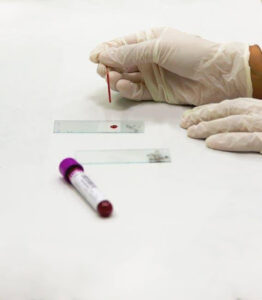
Hormones guide every stage of the IVF cycle, from egg development to embryo implantation. They regulate follicle growth, control ovulation timing, and prepare the uterus for pregnancy. Small fluctuations can influence egg quality, embryo development, and the chances of successful implantation. Because hormonal balance is essential, fertility specialists monitor levels closely throughout treatment. Understanding how hormones work helps patients make sense of medication schedules, blood tests, and ultrasound appointments.
Understanding The Menstrual Cycle And Hormonal Balance
A healthy menstrual cycle depends on a precise interplay between hormones such as FSH, LH, estrogen, and progesterone. These hormones determine when eggs mature, when ovulation occurs, and how the uterine lining develops. IVF relies on understanding and adjusting these natural patterns to optimize egg retrieval and embryo transfer. When hormonal imbalance occurs, it may disrupt ovulation or affect the quality of the uterine environment.
FSH And Ovarian Stimulation
Follicle-stimulating hormone, or FSH, plays a crucial role in stimulating the ovaries to develop multiple mature eggs during IVF. Medications containing FSH help increase the number of follicles, improving the chances of retrieving high-quality eggs. Controlled ovarian stimulation requires careful monitoring to avoid overstimulation. FSH dosage is adjusted based on response seen through blood tests and ultrasound scans. The goal is to produce an optimal number of healthy eggs to increase the likelihood of successful fertilization and embryo development.
The Role Of LH In Egg Maturation
Luteinizing hormone, or LH, supports the final stages of egg maturation. During a natural cycle, an LH surge triggers ovulation. In IVF, controlled doses of LH may be used to enhance the maturation process and improve egg quality. Appropriate LH levels help ensure that eggs reach the ideal stage before retrieval. Low or excessive LH can adversely affect the cycle, making monitoring essential. Balancing LH is especially important in women with hormonal disorders or irregular cycles.
Estrogen Levels During IVF And What They Indicate
Estrogen is produced as follicles grow, making it a key indicator of ovarian response. Rising estrogen levels signal successful follicle development and help prepare the uterine lining for embryo implantation. However, excessively high estrogen may increase the risk of complications such as ovarian hyperstimulation. Regular testing helps doctors adjust medication to maintain safe and effective levels. Estrogen also supports the thickening of the endometrium, creating an environment that encourages embryo attachment after transfer.
Progesterone And Preparing The Uterine Lining
Progesterone stabilizes and thickens the uterine lining, making it ready for embryo implantation. After egg retrieval, progesterone supplements are used to maintain an ideal environment for early pregnancy. Low progesterone levels can affect implantation success, while well-regulated levels support early embryo development. Monitoring progesterone helps fertility specialists determine the best timing for embryo transfer.
How hCG Triggers Final Egg Maturation
Human chorionic gonadotropin, or hCG, is used during IVF to trigger the final maturation of eggs before retrieval. The timing of the hCG injection is crucial because eggs must be at the right stage for successful fertilization. Incorrect timing may lead to eggs that are immature or overly mature. Fertility specialists choose the trigger time based on follicle size and hormone levels. hCG mimics the natural LH surge, making sure that the eggs complete their development in preparation for retrieval.
Thyroid Hormones And Their Impact On Fertility
Thyroid hormones help regulate metabolism, menstrual cycles, and reproductive function. An underactive or overactive thyroid can affect ovulation, hormone balance, and embryo implantation. Screening thyroid levels before and during IVF ensures that imbalances do not interfere with treatment outcomes. Proper thyroid function supports energy levels, hormone regulation, and overall reproductive health. Fertility specialists may recommend medication adjustments to maintain optimal thyroid levels throughout the IVF cycle.
Hormonal Monitoring Throughout The IVF Cycle
Regular hormonal monitoring ensures that the body responds effectively to medications. Blood tests track levels of estrogen, progesterone, LH, and other hormones, while ultrasounds measure follicle growth. This monitoring helps doctors adjust treatment dosages to improve safety and success. It also reduces risks such as overstimulation or premature ovulation. Consistent observation ensures that the IVF process progresses smoothly from stimulation to embryo transfer, improving the likelihood of achieving a healthy pregnancy.
Lifestyle Factors That Help Maintain Hormonal Balance
Lifestyle habits play an important role in maintaining hormonal balance during IVF. Some practices include:
- Eating nutrient-rich foods
- Managing stress
- Maintaining a healthy weight
- Avoiding smoking and excessive alcohol
These habits support hormone regulation and overall reproductive health. Good sleep, hydration, and moderate exercise also contribute to better hormonal stability, which can improve IVF outcomes.
Mumbai offers advanced reproductive medicine supported by experienced specialists, modern labs, and comprehensive diagnostic facilities. Couples seeking fertility treatment often look for centers with high success rates, personalized care, and expert embryologists. Many choose an ivf centre in mumbai because of its reputation for quality treatment and access to advanced technologies.
Why Hormonal Precision Improves IVF Success Rates
Precise hormonal control ensures that each stage of IVF aligns with the body’s readiness for egg development, fertilization, and implantation. When hormone levels are carefully balanced, the chances of producing mature eggs, selecting strong embryos, and achieving healthy implantation improve significantly. Monitoring and adjusting hormones throughout the cycle helps prevent complications and enhances success rates.