The waiting room smells like antiseptic and nervous energy. You’ve tried everything—the cabbage soup diet, meal replacement shakes—that fitness boot camp that nearly killed you. Your knees ache when you climb stairs—your doctor’s been dropping hints about gastric bypass surgery for months. Nobody tells you this in those glossy brochures—it’s not just about losing weight. It’s about rewiring your relationship with food and your body.
The Surgery Nobody Really Explains Properly
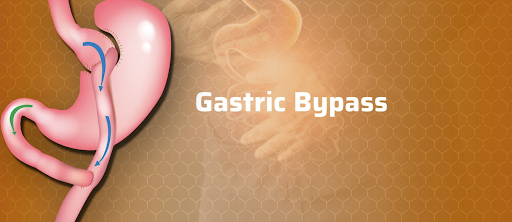
Surgeons love their technical jargon. Here’s the reality: they create a pouch about the size of an egg in your stomach. Everything else gets bypassed. Food goes from this tiny pouch straight into your small intestine. It skips most of your stomach entirely. You absorb fewer calories, but there’s more to it. Your hunger hormones get completely scrambled. Ghrelin is that hormone screaming “feed me” all day. After surgery, it plummets. Some patients say it’s like finally having the volume turned down on a noise they’ve lived with forever.
The Qualification Process Is Deliberately Tough
Insurance companies and surgical teams put you through the wringer. They’ve seen people treat this as a quick fix and regain everything within three years. You need a BMI over 40, or over 35 with serious complications. Diabetes that’s destroying your kidneys. Sleep apnoea that’s suffocating you nightly. The paperwork doesn’t mention this part: they’re assessing whether you’ll actually follow through. Those mandatory nutritionist appointments and psychological evaluations aren’t just boxes to tick. They’re looking for commitment, not desperation.
The Pre-Surgery Diet Is Actually Useful
That miserable two-week liquid diet isn’t a sadistic ritual. Your liver sits right on top of your stomach. Excess fat makes it bulky and awkward to manoeuvre during surgery. Shrinking it through a strict pre-op diet gives your surgeon proper access. It reduces complications significantly. Patients who cheat on this diet sometimes get sent home on surgery day. It’s also your first real test. Can you follow strict dietary rules when everything in you screams for a slice of toast?
Recovery Hurts in Unexpected Places
Your abdomen will be sore. That’s obvious. The gas pain in your shoulders though—that’s from the carbon dioxide they pump into your belly during surgery. It can be excruciating. It radiates up and feels like you’ve been punched. Walking helps it dissipate faster than any pain medication. You’ll discover muscles you didn’t know existed. Suddenly you’re using your core properly instead of leveraging excess weight. The emotional recovery takes longer than anyone admits. Food has likely been your comfort, your celebration, your friend. Losing that crutch feels like grief.
Eating Becomes a Careful Negotiation
Three bites of chicken and you’re full. Not satisfied—physically full, like Thanksgiving dinner full. Eating too quickly means you’ll be hugging the toilet within minutes. Bread turns into gummy cement in your new stomach. Sugar can trigger dumping syndrome. Your heart races, you break into cold sweats, and feel genuinely awful for hours. Some patients appreciate this built-in deterrent. Others find it isolating when everyone’s sharing dessert and you’re nursing water. Social eating becomes complicated. You need to explain why you’re barely touching your plate without launching into your medical history.
The Reality of Complications Nobody Mentions Upfront
Surgeons quote statistical risks. Two per cent chance of blood clots. Five per cent chance of strictures. Patients live the reality though. Some develop vitamin deficiencies despite taking supplements religiously. Absorption is permanently compromised. Calcium deficiency can lead to osteoporosis years down the line. Iron deficiency anaemia leaves you exhausted and pale. Some people develop gallstones from rapid weight loss and need their gallbladder removed. About 20% of patients require follow-up surgery within five years for various complications. These aren’t rare horror stories. They’re common enough that you should plan for them.
Success Depends on What Happens After
Here’s the uncomfortable truth: about 30% of patients regain significant weight within ten years. The surgery creates a tool, not a miracle. Your stomach pouch can stretch if you consistently overeat. You can drink your calories through milkshakes and fizzy drinks. You can graze all day on crisps and biscuits. The operation can’t fix emotional eating or boredom eating. It can’t fix using food to cope with stress. The patients who maintain their weight loss treat follow-up appointments seriously. They join support groups and see therapists when needed. They accept that vigilance is permanent. The surgery gave them a chance. What they do with it determines everything.