Introduction
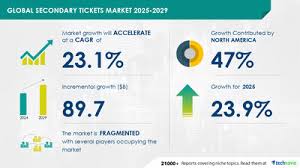
Have you ever tried to buy tickets for a concert, only to find them sold out within minutes—then reappear online at five times the price? Here is your world for secondary market ticket price. Many fans become furious when original tickets are resold for more money. But someone, somewhere, is gaining from this system.
So, who really benefits from rising ticket prices on the secondary market? Let’s break it down.
What Is the Secondary Ticket Market?
The secondary ticket market is where people resell tickets after buying them from the official source. This includes platforms like resale apps and websites, where anyone—from a casual fan to a professional broker—can list tickets for sale.
1. Individual Sellers and Resellers
The most obvious winners are the people who resell tickets for profit. These include:
- Fans who bought tickets but can no longer attend and want to make their money back—or more.
- Scalpers and brokers who buy large numbers of tickets as soon as they go on sale, with the goal of reselling at a higher price.
For big events, especially concerts, sports games, or theater shows, ticket reselling can be a serious business. Some resellers use automated bots to scoop up hundreds of tickets within seconds, then flip them for massive profits.
2. Resale Platforms
Resale platforms also benefit from rising secondary market ticket prices. These are websites and apps that allow people to buy and sell tickets safely. They usually charge a percentage of each transaction—both from the seller and the buyer.
As ticket prices rise, so do their fees. If a platform charges 10% on a $100 ticket, they make $10. But if the same ticket is resold for $500, the platform makes $50 instead.
Many of these platforms also use real-time data to analyze ticket demand and influence pricing trends, giving them even more control over the market. For fans who want to save while purchasing tickets, looking for deals such as a Viagogo Discount Code can sometimes make the process more affordable.
3. Event Organizers and Promoters
At first glance, it might seem like event organizers lose out when others make money from resale. But that’s not always the case.
Here’s how they can benefit:
- Sold-out shows create more hype, which can lead to additional tour dates or higher demand for future events.
- Many organizers make money from food, drinks, and merchandise sold at the venue.
- Some promoters partner with resale platforms and get a share of the resale profits or use the data to price future tickets more accurately.
4. Local Businesses Around Venues
When an event is sold out, it brings people into the area—and that’s great news for local businesses. Restaurants, bars, parking garages, and shops often see more customers during events.
Higher ticket prices don’t stop people from going out before or after the show. In fact, those willing to spend more on tickets are often more likely to spend more elsewhere too. So even if prices go up, the businesses around the venue benefit from the crowd.
5. Some Fans
Most fans are on the losing end of high secondary market ticket prices, but not always. Some fans can benefit in certain situations:
- Sometimes, resale prices drop closer to the event as sellers try to avoid losing money. Buyers who wait until the last minute might grab tickets at a bargain.
- Fan communities or resale groups sometimes promote face-value exchanges, allowing honest fans to help each other avoid inflated prices.
6. Regulators and Consumer Advocates
As public frustration over rising ticket prices grows, so does attention from governments and watchdog groups. Regulators don’t profit directly, but they gain momentum to push for change.
Rising secondary prices have led to:
- New regulations to prevent automated ticket purchases
- Calls for better transparency in pricing and fees
- Greater public support for ticket reforms
Who Doesn’t Benefit?
While many groups profit from rising secondary market ticket prices, the average fan usually doesn’t. Many fans:
- Struggle to buy tickets at fair prices
- Miss out on events due to high resale costs
- Feel frustrated and powerless when prices are manipulated by resellers
Final Thoughts
Rising secondary market ticket prices may seem unfair, but there are clear winners in this system. Resellers, platforms, event organizers, and even local businesses often benefit. Some fans get lucky, and regulators gain support for change.
But for most regular fans, the system feels broken. As more voices speak out, there’s hope for a better balance—one where fans can enjoy live events without breaking the bank, and the ticket market becomes more transparent, fair, and accessible for everyone.






The Daily Mashup Hub feels like a little corner of the internet where everything comes together in one place.https://dailymashuphub.com/
It’s not just another site tossing random updates—it’s more like a blended space where trending stories, fresh ideas, and useful insights are collected and shared. Whether it’s tech, lifestyle, business, or just everyday tips, the hub delivers it in a way that feels easy to follow and engaging. Think of it as your go-to stop when you want a quick roundup without having to scroll through endless sources. It’s simple, sharp, and designed for people who like staying updated without the extra noise.
The TechMate Hub comes across like a handy spot on the internet where all things tech meet in one place. https://techmatehub.com/
It’s not just throwing out random updates—it feels more like a space that gathers the latest trends, smart ideas, and useful tech insights and puts them together in a simple way. Whether it’s gadgets, tools, digital tips, or tech news, the hub makes it easy to keep up without feeling overloaded. Think of it as your go-to stop when you want a quick roundup that’s clear, engaging, and free of unnecessary clutter.