Electrical systems are a bit like the hidden backbone of our homes and workplaces—quiet, unseen, and often unnoticed until something goes wrong. Most people don’t think twice about their switchboard, yet this small panel controls the flow of electricity through every light, appliance, and piece of equipment we use daily. As our reliance on technology grows, so does the demand on these systems, making switchboard upgrades not just helpful but essential for modern electrical safety.
Whether you’re running a household with multiple high-powered appliances or managing a commercial space that operates heavy equipment, your switchboard plays a vital role in keeping everything safe and functioning smoothly. When it’s outdated or overloaded, it can create real risks, from frequent power trips to fire hazards. Understanding why switchboard upgrades matter—and how they protect your property—can make a world of difference.
Why Modern Living Requires Stronger Electrical Systems
Think about the electrical load in a typical home today compared to 20 or 30 years ago. Families now run multiple air conditioners, high-wattage kitchen appliances, gaming PCs, smart home devices, electric vehicle chargers, and more. The average household wasn’t originally built with this kind of demand in mind. Older switchboards simply cannot keep up.
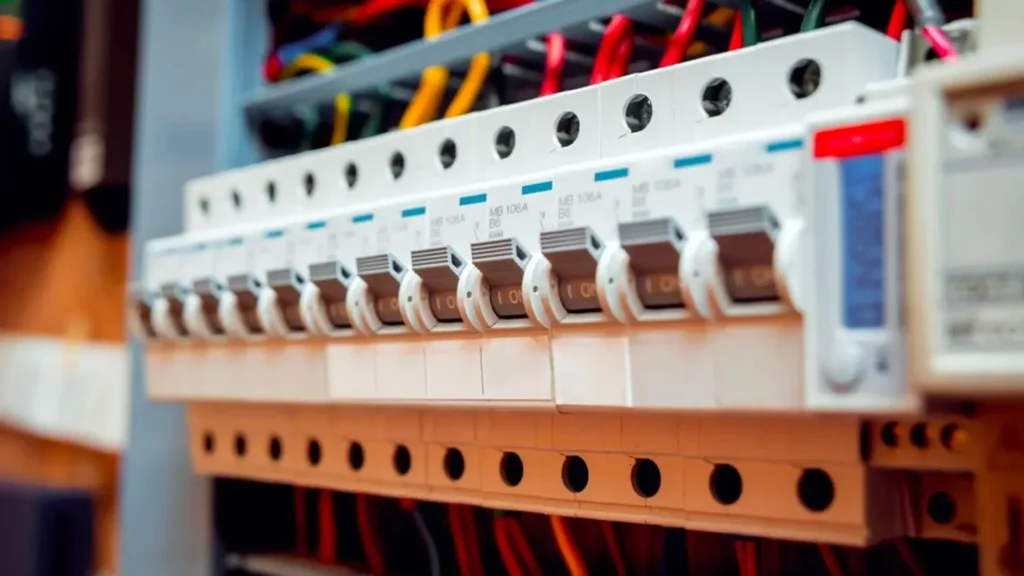
This is where the conversation about electrical capacity becomes important. A switchboard distributes electricity safely throughout the property, using safety switches, circuit breakers, and fuses to prevent overload. Older boards often rely on ceramic fuses, which don’t offer the same level of protection or responsiveness as modern circuit breakers. If you’ve noticed flickering lights, appliances tripping the power, or burnt smells near outlets, these may be early signs of strain.
Commercial properties face even greater demands. From cafes operating multiple refrigerators and coffee machines to warehouses running industrial machinery, the electrical load is constant and often heavy. Outdated switchboards in these settings can affect productivity, increase safety risks, and even violate compliance regulations.
As workplaces adopt more automated systems, digital equipment, and energy-efficient lighting, the need for reliable power distribution becomes even more critical. This is why safety regulators consistently emphasize the need to upgrade aging switchboards to support today’s technology. The benefits go beyond convenience—modern systems are designed to reduce electrical faults, which are a common cause of structural fires in both residential and commercial properties.
If you want to explore more about how electricity flows and why safety mechanisms work the way they do, the study of electrical engineering offers a solid foundation for these principles and how they apply in real-world infrastructure.
Key Safety Benefits of Upgrading Your Switchboard
A modern switchboard does much more than just distribute power. It actively protects you, your family, and your property from electrical hazards. Here are the most important ways an upgrade enhances safety:
1. Better Protection Against Overloading
Circuit overloads occur when too many appliances draw too much power from the same circuit. In older systems, this may cause fuses to blow repeatedly or, in the worst-case scenario, the wiring to overheat. Modern circuit breakers react faster and more accurately, reducing the risk of overheating and electrical fires.
2. Safety Switches (RCDs) That Save Lives
A residual-current device—commonly known as a safety switch—detects changes in electrical current and shuts off power instantly if something goes wrong. This prevents electric shocks in homes and high-risk workplaces. Many older switchboards lack sufficient RCDs or have none at all.
3. Reduced Fire Hazards
Faulty wiring and overloaded circuits are among the leading causes of property fires. A new switchboard ensures that your electrical system meets current standards, significantly reducing this risk.
4. Compliance With Modern Regulations
Electrical safety standards evolve as technology improves. For commercial spaces, compliance is not optional—it’s a legal requirement. Non-compliant switchboards can lead to failed inspections, insurance issues, or even forced shutdowns.
Even for homeowners, upgrading ensures peace of mind and helps maintain the property’s long-term value. Many electricians note that property buyers are increasingly considering the age and condition of the switchboard before committing to a home purchase.
5. Compatibility With New Technology
Smart homes, solar systems, energy-efficient appliances, and EV chargers all require stable electrical loads. Upgrading the switchboard ensures your home or business can support these technologies without strain.
These improvements aren’t just about technical upgrades—they’re about long-term safety and reliability. When everything is functioning correctly, you don’t notice your switchboard at all. But when you’re dealing with flickering lights or constant trips, that’s your system’s way of asking for help.
Real-World Examples: When an Upgrade Makes All the Difference
Sometimes, the easiest way to understand the importance of a switchboard upgrade is through real situations people face every day.
A Family Home With Growing Electrical Needs
Imagine a household with teenagers, multiple air-conditioning units, and a kitchen that sees constant use of kettles, microwaves, and induction cooktops. Add a home office with computers and printers running daily. Suddenly, the old switchboard, designed decades ago for a much lighter load, becomes overwhelmed. Power trips become an almost daily frustration. An upgraded switchboard eliminates these issues and keeps the home safer and more reliable.
A Small Café Expanding Its Equipment
Many cafés start small but grow quickly. A business owner might add a second coffee machine, an extra fridge, or additional lighting for ambience. Each addition increases the electrical demand. Without a switchboard upgrade, the equipment may experience inconsistent power, and the risk of electrical faults increases. A modern switchboard supports the business’s growth safely and efficiently.
A Warehouse Moving to Automated Systems
Warehouses often transition to automated systems for inventory tracking, conveyor belts, and scanning technology. These systems require uninterrupted power. A modern switchboard ensures that equipment runs smoothly, reducing downtime and avoiding costly interruptions.
These examples highlight one simple truth: a switchboard upgrade isn’t just a technical improvement—it’s an investment in safety, efficiency, and peace of mind.
A Smart Way to Protect Your Property
If you’re unsure whether your home or business needs an upgrade, consider the age of your switchboard and the demands of your electrical system. Properties older than 20 years almost always benefit from modernizing the switchboard, as today’s electrical standards and appliances are vastly different from those of past decades.
Many property owners are now taking proactive steps through home and commercial switchboard upgrades, ensuring their systems are up to date and capable of handling modern electrical loads. This type of upgrade helps protect your property, supports new technology, and eliminates recurring issues caused by outdated systems.
Electrical safety is one of those things we often take for granted—until something goes wrong. But with the right upgrades and precautions, your home or business can stay protected for years to come. A modern switchboard is more than a metal box; it’s a safeguard for everything and everyone connected to your electrical system.