Winter can be one of the most challenging seasons for any roofing system. Heavy snowfall, freezing rain, ice accumulation, and repeated freeze-thaw cycles place constant stress on roofs throughout the colder months. Without proper maintenance, these winter conditions can lead to leaks, damaged shingles, structural issues, and expensive repairs. Understanding how winter weather affects your roof is the first step toward preventing long-term damage.
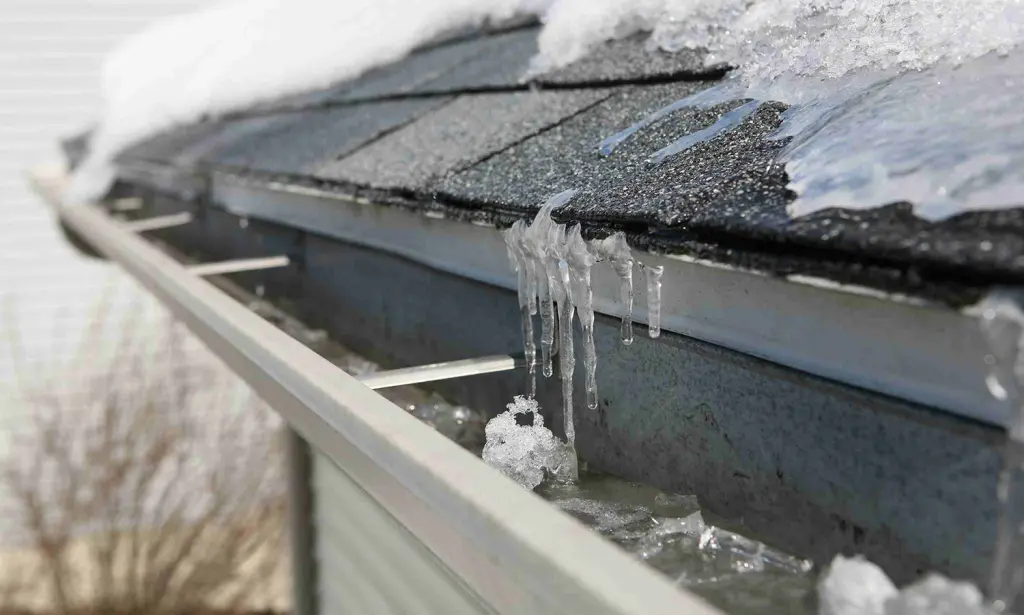
One of the most common winter roofing problems is the formation of ice dams. Ice dams develop when heat escaping from the attic melts snow on the upper portion of the roof. As the melted water flows toward the colder roof edges, it refreezes and forms a ridge of ice. As more snow melts, water becomes trapped behind the ice dam and can work its way underneath shingles, eventually leaking into the attic, ceilings, insulation, and walls.
Homes with poor attic insulation or inadequate ventilation are especially vulnerable to ice dam formation. Warm attic temperatures accelerate snow melt, while cold roof edges encourage refreezing. Improving attic ventilation and insulation helps maintain a more consistent roof temperature, reducing the likelihood of ice dams developing during the winter.
Professional ice dam removal is often the safest solution once a problem occurs. Attempting to chip away ice with hammers, shovels, or sharp tools can damage shingles, flashing, and gutters while creating additional roofing problems. Experienced roofing professionals use methods designed to remove ice safely while minimizing the risk of damaging the roofing system.
Winter is also a good time to inspect the roof after major snowstorms. Heavy snow accumulation, high winds, and freezing temperatures can loosen shingles, damage flashing, or expose vulnerable areas around chimneys, skylights, and roof penetrations. Catching these issues early can prevent more extensive repairs once temperatures begin to warm.
Preventative maintenance before winter arrives is one of the best ways to protect a roofing system. Cleaning gutters, replacing damaged shingles, sealing flashing, improving attic ventilation, and ensuring proper insulation all help roofs perform better during harsh winter conditions. A proactive approach often extends the lifespan of the roof while reducing emergency repair costs.
Whether your home experiences heavy snow every year or occasional winter storms, preparing your roof before freezing weather arrives can save time, money, and frustration. A well-maintained roofing system is better equipped to handle snow loads, ice, and changing temperatures while protecting your home throughout the season.
If you’d like to learn more about protecting your home during the winter months, Winter Roofing offers valuable information about ice dam prevention, seasonal roof maintenance, and professional roofing solutions designed to keep your home safe through even the harshest winter weather.