Champagne, the party drink of choice, is more than just a drink for celebrating. Champagne is a timeless symbol of elegance, joy, and tradition. When you raise a glass at a wedding, on New Year’s Eve, or to commemorate an important anniversary, Champagne has an air of elegance that can’t be missed.To fully enjoy this famous drink, you must know its origin, how it’s made, and what makes it special.
This guide will teach you the basics, the different kinds of Champagne, and even some tasty food pairing ideas that will improve the experience.
1. Understanding the Basics of Champagne
Champagne is a sparkling wine at its core, but not all sparkling wines can be called Champagne. The Methode Champenoise is a traditional method that is only used in the Champagne area of France to make real Champagne.In this process, a second fermentation takes place in the bottle. This is what makes Champagne’s famous fine bubbles. The chalky soil, cool temperature, and long history of making wine in the area impart unique qualities that make it stand out from other sparkling wines like Prosecco or Cava.
To understand champagne basics, you should also know that it is only made from three types of grapes: Chardonnay, Pinot Noir, and Pinot Meunier. Each one adds something different to the mix: Chardonnay gives it freshness, Pinot Noir gives it structure, and Pinot Meunier makes it fruity and easy to drink.
2. The Roots and History of Champagne
Champagne’s history goes back hundreds of years, to when monks in northern France were trying out new ways to make wine. Initially, the discovery of bubbles during secondary fermentation caused concern, but winemakers eventually learned to manage them.
By the 1600s, this technique had been perfected in Champagne, changing what was once a flaw in the way wine was made into a sign of wealth. Since then, Champagne has become a symbol of joy and class, from royal banquets to modern parties.
3. How Champagne Is Made: The Old-Time Way
To really understand champagne, you need to know how it’s made. The process is very specific and takes a long time, so you need to be careful and patient.
- Primary Fermentation: The first step in making wine is pressing the grapes and fermenting the juice to make a still wine called vin clair.
- Blending: To make a balanced house style, wines from different years, farms, or grape types are mixed together.
- Secondary Fermentation: Here’s where the magic happens, sugar and yeast are added, and the wine is put in bottles. As fermentation starts up again, carbon dioxide gets caught, which makes bubbles.
- Aging on Lees: For months or years, bottles lie flat, letting the flavors grow and become more complex.
- Riddling and Disgorgement: Sediments are taken out to make the water clear.
- Dosage and Sealing: Before corking and labeling, a mixture of sugar and wine is added to check how sweet it is.
Each step is crucial for making the final Champagne bottle look and taste elegant.
4. Different Kinds of Champagne
Learning about types of Champagne is a fun way to improve your skills. These differences depend on the type of grapes used, how sweet they are, and how they were made.
By Sweetness Level:
- Extra Brut: This type of beer is very dry and has little to no extra sugar.
- Brut: Most people like Brut, which is a crisp and well-balanced style.
- Extra Dry: A little smoother than Brut, this wine is ideal for casual gatherings.
- Sec/Demi-Sec: It’s very sweet and goes well with cakes.
- Doux: The tastiest, but not common these days.
By Style:
- Non-Vintage Champagne: Made by mixing champagne from different years to keep the taste the same.
- Vintage Champagne: Made from grapes that were picked in a single, exceptional year.
- Rosé Champagne: Made by mixing red wine or letting it ferment for a short time. It has fruity and floral notes.
- Blanc de Blancs: A light and beautiful wine made from only Chardonnay grapes.
- Blanc de Noirs: This wine is dark and rich, made from Pinot Noir or Pinot Meunier.
If you know about these types of Champagne, you can choose the right bottle for the event, whether you’re having a party with friends, eating with family, or giving a gift during the holidays.
5. Champagne and Food Pairing: Improving Every Sip
A crucial yet often overlooked part of enjoying Champagne is understanding champagne and food pairing. If you choose the right wine and food to go with it, you can make any meal taste and look better.
- Brut Champagne: Goes well with sushi, oysters, and other fish. The sharp acidity makes delicate foods taste better.
- Rosé Champagne: Its bright fruitiness goes well with duck, salmon, or berry sweets.
- Blanc de Blancs: Goes well with thin foods like salads, seafood, and soft cheeses.
- Blanc de Noirs: It goes well with roasted meats or recipes that use truffles because of how rich it is.
- Champagne Demi-Sec or Doux: Goes well with baked goods and fruit-based sweets.
The fun of mixing champagne with food is trying new things and seeing how the bubbles react to different tastes and textures.
6. Champagne vs. Other Sparkling Wines
Before you can fully understand what champagne is, it helps to know what makes it different from other sparkling wines. Champagne is unique in its production and origin, while Cava (Spain), Crémant (France), and Prosecco (Italy) all have a similar fizz.
The chalky soil and cool temperature of Champagne give it its natural acidity, fine bubbles, and complex aromas, which can’t be found in any other place.
7. The Right Way to Serve Champagne
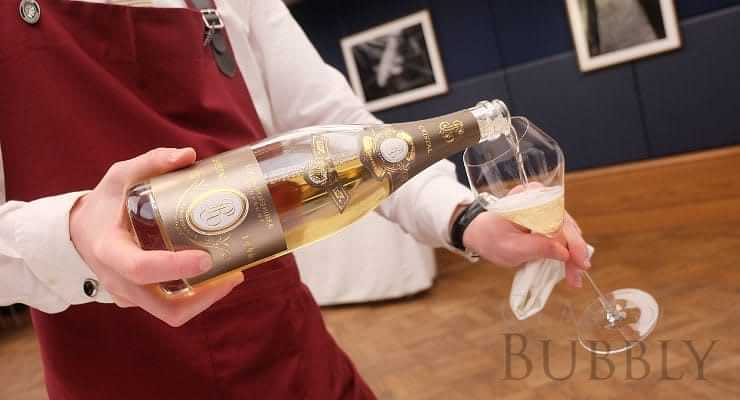
The whole experience is better when it’s served right.
- Temperature: Champagne should be chilled between 45°F and 48°F (7°C and 9°C).
- Glassware: If you want to keep the bubbles and smells, use a flute or tulip glass.
- How to Open the Bottle: To gently remove the pressure, twist the bottle, not the cork.
To keep a steady stream of bubbles going while you pour, tilt the glass. Presentation and accuracy are crucial when it comes to proper Champagne manners.
8. The Symbolism of Champagne in Celebrations
It’s not an accident that champagne is often associated with parties. From important events to holidays, it represents happiness and success. Furthermore, champagne is a standard gift, whether it’s a basket of champagne or a single, classy bottle.
A bottle of Champagne or a Christmas wine gift basket with fine bubbly can show appreciation, happiness, and love during the holiday season. It shows taste and care, whether it’s served at Christmas dinner or given as a gift to someone you care about.
9. How to Store Champagne to Make It Last Longer
Another important thing to know about champagne’s basics is how to store it. To keep its quality:Store the cork flat to keep it fresh.It should be kept in a cool, dark, and safe place.Stay away from direct light and noise.
Non-vintage Champagnes are best drunk within a few years, but vintage Champagnes can age well for decades, getting toasty and sweet over time.
10. Appreciating Champagne: A Salute to Style
At its core, Champagne is a celebration of art and skill. From the vine to the bottle, it shows hundreds of years of hard work, creativity, and innovation.
Understanding the different kinds of Champagne and mixing it with food in a smart way will help you enjoy this classic drink more. French wine embodies the land and the winemakers’ passion in every sip.
In Conclusion
By learning the basics of champagne, you can start to enjoy one of the classiest drinks in the world. Every little thing you learn about Champagne, from the different kinds to food pairings, strengthens your relationship with this amazing drink.
Champagne is still a sign of taste, heritage, and joy—a drink that makes every moment into a memory, whether you’re picking out a bottle for a special event, putting together a holiday basket, or just enjoying the sparkle of a party