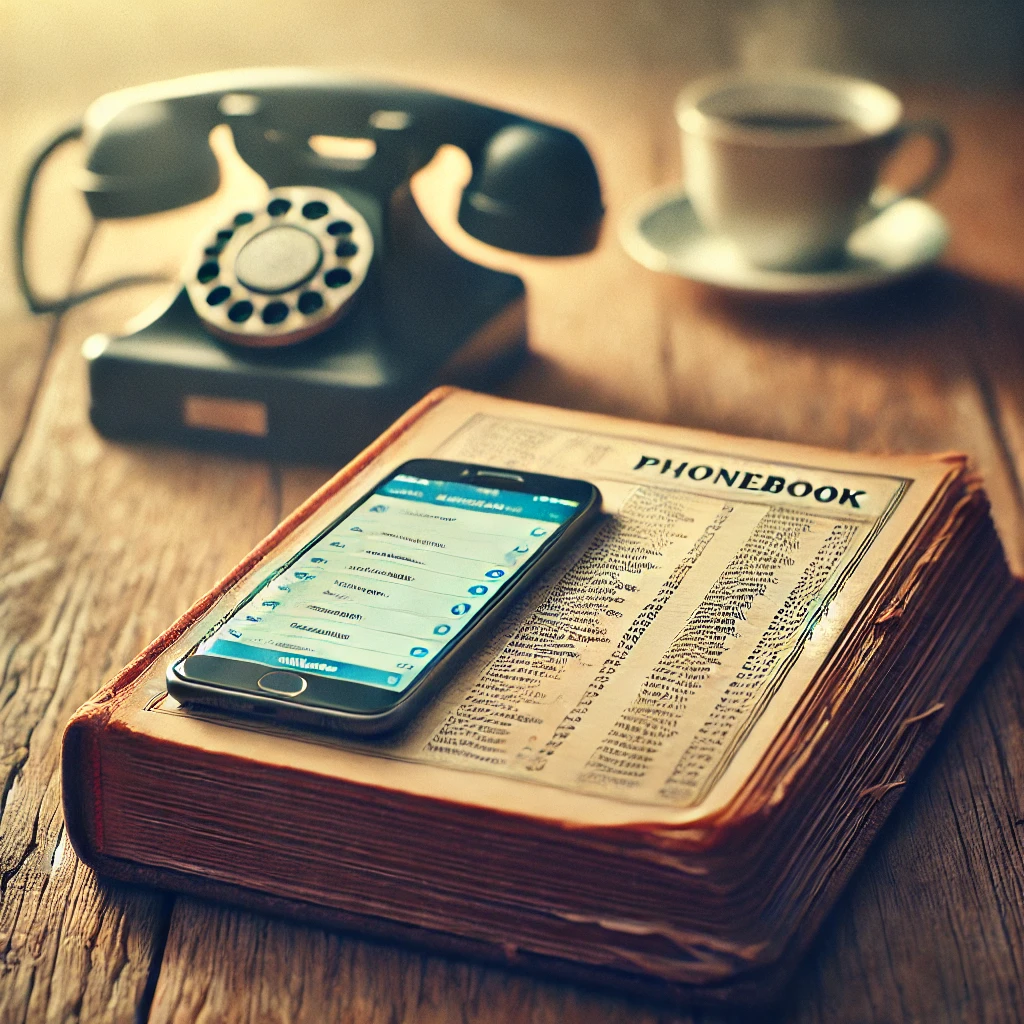
The American Phonebook has been a vital tool for decades. It helps people find contact details quickly. Over the years, it has evolved from printed directories to digital platforms. Today, most people rely on online phonebooks and search engines. But how did this transformation happen? Let’s explore the history, significance, and modern alternatives to the American Phonebook.
What Is the American Phonebook?
The American Phonebook is a directory listing phone numbers and addresses. It includes two main sections: the White Pages (individuals) and the Yellow Pages (businesses). Traditionally delivered to homes, most phonebooks now exist digitally. Users search by name, location, or business type to find contact details instantly.
A Brief History of the American Phonebook
The first-ever phonebook appeared in 1878 in New Haven, Connecticut. It contained just 50 names and no numbers. People were instructed to ask the operator to connect them. Soon, telephone directories became standard. By the 20th century, almost every household had a printed phonebook.
These directories were divided into two sections:
- White Pages: Listed residential and business phone numbers alphabetically.
- Yellow Pages: Categorized businesses by industry.
For many years, these directories were essential for communication. People used them daily to find numbers, addresses, and business information.
The Decline of Printed Phonebooks
With the rise of the internet, printed phonebooks started losing relevance. By the early 2000s, online directories and search engines became the go-to sources for finding contact details. There were several reasons for this shift:
- Convenience: Online directories provide instant access to phone numbers.
- Accuracy: Digital listings update regularly, while printed books quickly become outdated.
- Environmental Concerns: Printing millions of phonebooks required vast amounts of paper. Many cities started restricting their distribution to reduce waste.
Modern Alternatives to the American Phonebook
Although printed phonebooks are rare today, their purpose remains. Many online services now serve as digital replacements. Here are some of the most popular alternatives:
1. White Pages Online
Websites like WhitePages.com offer a digital version of traditional white pages. Users can search for people, businesses, and public records. Many services allow reverse phone lookup as well.
2. Yellow Pages Online
Businesses now list their contact details on platforms like YellowPages.com and Yelp. These directories provide ratings, reviews, and additional business details.
3. Search Engines
Google, Bing, and Yahoo have made phonebooks almost obsolete. Simply typing a name and location into Google can often yield contact details instantly.
4. Social Media
Platforms like Facebook, LinkedIn, and Twitter serve as informal directories. Many people and businesses list their contact details on their profiles.
5. Reverse Phone Lookup Services
Websites like Truecaller and Spokeo allow users to enter a phone number and find the associated name and details. This is useful for identifying unknown callers.

How to Use an Online Phonebook Effectively
If you need to find a contact, follow these tips for the best results:
- Be Specific: Include as much detail as possible (e.g., full name, city, state).
- Try Multiple Sources: If one site doesn’t provide results, check another.
- Check for Updates: Online directories update frequently, so recheck if necessary.
- Use Reverse Lookup: If you have a number but no name, use reverse lookup tools.
Privacy Concerns
While digital phonebooks are convenient, they also raise privacy concerns. Many people don’t want their contact details available publicly. If you want to remove your information from these directories, follow these steps:
- Find the Listing: Search for your name on online directories.
- Request Removal: Many sites provide opt-out options.
- Monitor Your Information: Regularly check if your details reappear.
- Use Privacy Tools: Services like DeleteMe help remove personal data from various sites.
The Future of the American Phonebook
The American Phonebook has transformed over the years, but its purpose remains unchanged. As technology advances, phonebooks will continue evolving. AI-driven voice assistants and smart directories may soon replace traditional phonebooks altogether.
Conclusion
The American Phonebook has come a long way. From bulky printed directories to instant online searches, it has adapted to modern needs. While physical phonebooks are nearly extinct, the ability to find contact details quickly remains essential. Whether through search engines, online directories, or social media, finding a phone number has never been easier.