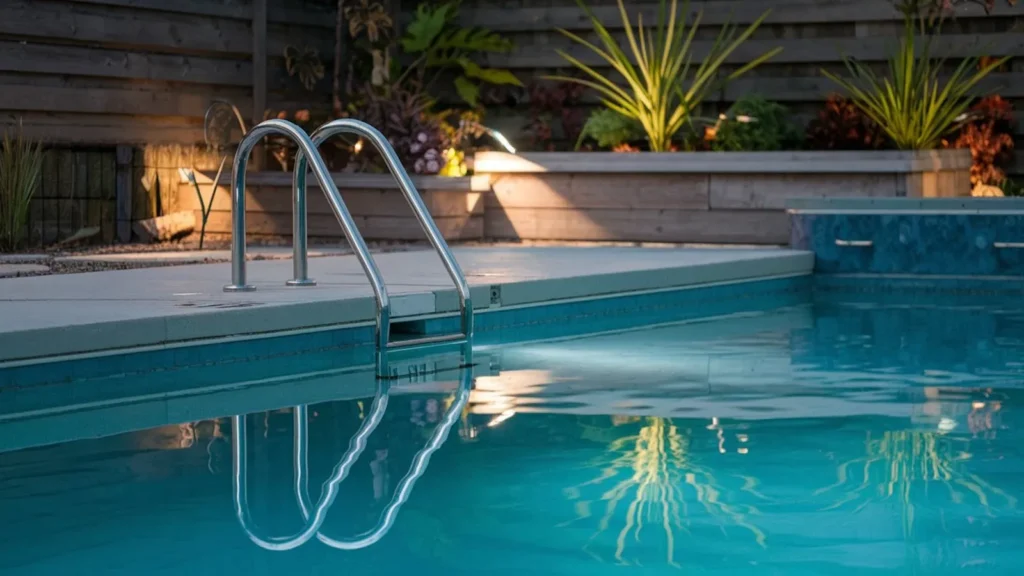
Owning a swimming pool is a rewarding experience that offers relaxation, exercise, and family fun right in your backyard. However, the line between a sparkling oasis and a green, cloudy swamp is often thinner than many new owners realize. Maintenance is not just about adding chlorine every now and then; it is a discipline that requires consistency and knowledge. Unfortunately, misinformation and bad habits are rampant in the world of pool care.
Many well-intentioned owners unknowingly damage their equipment or compromise their water quality by falling victim to common pitfalls. These errors can lead to expensive repairs, unsafe swimming conditions, and a significant amount of wasted time. By identifying and correcting these common mistakes in pool maintenance, you can protect your investment and ensure your water remains crystal clear all season long.
Neglecting the Water Chemistry Balance
The most fundamental error is treating pool chemistry as a guessing game. Many owners focus solely on the smell of chlorine or the clarity of the water. If the water looks clear, they assume it is safe. This is a dangerous misconception. Clear water can still be acidic enough to eat away at your heater’s copper core or basic enough to cause scaling on your tile.
Chemistry involves a delicate interplay between pH, alkalinity, and sanitizer levels. A common mistake is adjusting pH without checking total alkalinity first. Alkalinity acts as a buffer for pH. If your alkalinity is too low, your pH will bounce erratically, making it impossible to maintain. Conversely, ignoring calcium hardness can lead to plaster etching if levels are low, or cloudy water and scale if levels are high. Regular testing with a liquid test kit, rather than relying on guesswork, is the only way to ensure true balance.
Shocking the Pool During the Day
When your pool looks a bit dull or you have just hosted a large party, the instinct is to shock it immediately. While the intention is good, the timing is often wrong. Adding unstabilized chlorine shock during the heat of the day is essentially throwing money away.
The sun’s ultraviolet rays are incredibly efficient at destroying chlorine. If you shock the pool at noon, a significant percentage of that sanitizer will be burned off by the sun before it has a chance to oxidize the bacteria and algae in the water. To get the maximum benefit from your chemicals, you should always shock your pool at dusk or night. This gives the chlorine the entire night to work in the dark, effectively killing contaminants without fighting the sun.
Ignoring the Walls and Floor
Water circulation is vital, but it cannot do everything. A common oversight is assuming that because the pump is running and the chemicals are balanced, the surfaces of the pool are clean. Algae and bacteria love to attach themselves to the microscopic pores of plaster, vinyl, and tile. If these surfaces are not physically brushed or scrubbed, a biofilm forms that protects the algae from chlorine.
Many owners skip the manual labor of brushing, leading to eventual algae blooms that seem to appear out of nowhere. To maintain a pristine pool without the back-breaking labor, technology offers a solution. Using a pool vacuum robot ensures that the floor and walls are scrubbed and vacuumed regularly. These automated devices prevent the buildup of sediment and biofilm that manual cleaning often misses, keeping the surfaces inhospitable to algae growth.
Failing to Clean the Skimmer Baskets
The skimmer is the gateway to your filtration system. Its job is to catch larger debris like leaves, bugs, and twigs before they can enter the plumbing and clog the pump impeller. However, a skimmer basket is not a bottomless pit.
One of the most frequent maintenance mistakes is failing to empty these baskets regularly. When a basket becomes packed with leaves, water flow is restricted. This puts immense strain on your pool pump, causing it to run hotter and potentially overheat. Furthermore, reduced flow means your filtration system is turning over less water, leading to cloudy conditions. During peak leaf season, baskets should be checked daily.
Running the Pump for Insufficient Time
Electricity costs are a concern for everyone, and this leads many pool owners to cut corners on pump runtime. The logic seems sound: run the pump less to save money. However, if the water is not turned over—meaning the total volume of the pool passes through the filter—at least once a day, you are inviting trouble.
Stagnant water is the enemy of a clean pool. It allows chemicals to settle and algae to take hold. While you do not necessarily need to run the pump 24 hours a day, running it for only two or three hours is typically insufficient for a standard residential pool. Investing in a variable speed pump allows you to run the system for longer periods at a lower energy cost, ensuring proper filtration without the high utility bill.
Overlooking Surface Debris
Gravity dictates that everything floating on the surface will eventually sink. Once leaves and insects sink to the bottom, they decay, release phosphates, and stain the pool floor. Waiting until debris sinks to vacuum it up is a reactive, inefficient approach.
Proactive maintenance involves catching debris while it is still floating. While manual skimming is effective, it requires you to be there constantly. Relying on a pool surface skimmer automates this critical task. By patrolling the water line continuously, an automatic skimmer removes the organic load before it affects your water chemistry. This reduces the strain on your bottom cleaner and keeps the pool looking inviting at all times.
Adding Chemicals Improperly
How you add chemicals is just as important as what you add. A dangerous and common mistake is pouring chemicals directly into the skimmer. This is particularly risky with concentrated acid or chlorine. When you pour strong chemicals into the skimmer, they travel directly to the pump, filter, and heater in a highly concentrated form. This acidic or caustic slug of water can strip the metal from your heat exchanger and damage internal seals.
Always follow the manufacturer’s instructions. Typically, liquids should be poured slowly in front of a return jet to allow for immediate dilution. Granular products often need to be dissolved in a bucket of water before being added to the pool to prevent them from settling on the liner and bleaching it.
Neglecting Filter Maintenance
The filter is the kidney of your pool, removing impurities to keep the water healthy. Some owners clean it too often, while others ignore it completely. Backwashing a sand filter every day is a mistake because a slightly dirty filter actually traps finer particles better than a perfectly clean one. Conversely, waiting until the pressure gauge is dangerously high puts unnecessary stress on the plumbing.
The rule of thumb is to clean the filter when the pressure rises 8 to 10 PSI above the starting clean pressure. Ignoring this mechanical indicator results in poor circulation and cloudy water that no amount of chemical adjustment can fix.
Disregarding Calcium Hardness Levels
While pH and chlorine get all the attention, calcium hardness is the silent destroyers. If your calcium levels are too low, the water becomes aggressive and will leach calcium out of your plaster, causing pitting and structural damage. If the levels are too high, the water will deposit calcium scale on your surfaces and inside your plumbing.
This is not a parameter that changes rapidly, but failing to check it at the start of the season can lead to irreversible damage to your pool finish. Maintaining the correct hardness level preserves the integrity of your pool shell and equipment.
Conclusion
Pool maintenance is a sum of small, consistent actions. By avoiding these common mistakes—such as ignoring water balance, shocking at the wrong time, and neglecting physical cleaning—you can dramatically reduce the time and money spent on repairs. Utilizing modern tools like robotic cleaners and maintaining a disciplined schedule transforms pool ownership from a chore into a pleasure, ensuring your backyard remains the sanctuary it was meant to be.