Opening a fitness facility is an exciting step—whether you’re launching a boutique strength studio, a community gym, or a full-service wellness centre. But once the walls are painted and the doors are ready to open, one big question remains: Which pieces of commercial gym equipment are absolutely essential?
Choosing the right equipment isn’t only about filling up space. It’s about creating an environment that feels inviting, supports a wide range of fitness levels, and makes members want to keep coming back. A well-equipped gym helps people build healthier routines, stay consistent, and feel confident every time they walk through the door.
Below, we’ll explore the must-have equipment categories every fitness facility should invest in—and why they matter not just for workouts, but for long-term member satisfaction and business success.
1. Strength Training Essentials: Building the Foundation of Every Gym
Strength training is at the heart of most modern workouts. Whether someone wants to lose weight, gain muscle, improve posture, or simply stay active as they age, resistance training plays a huge role. That’s why strength equipment is usually the largest and most important investment for any facility.
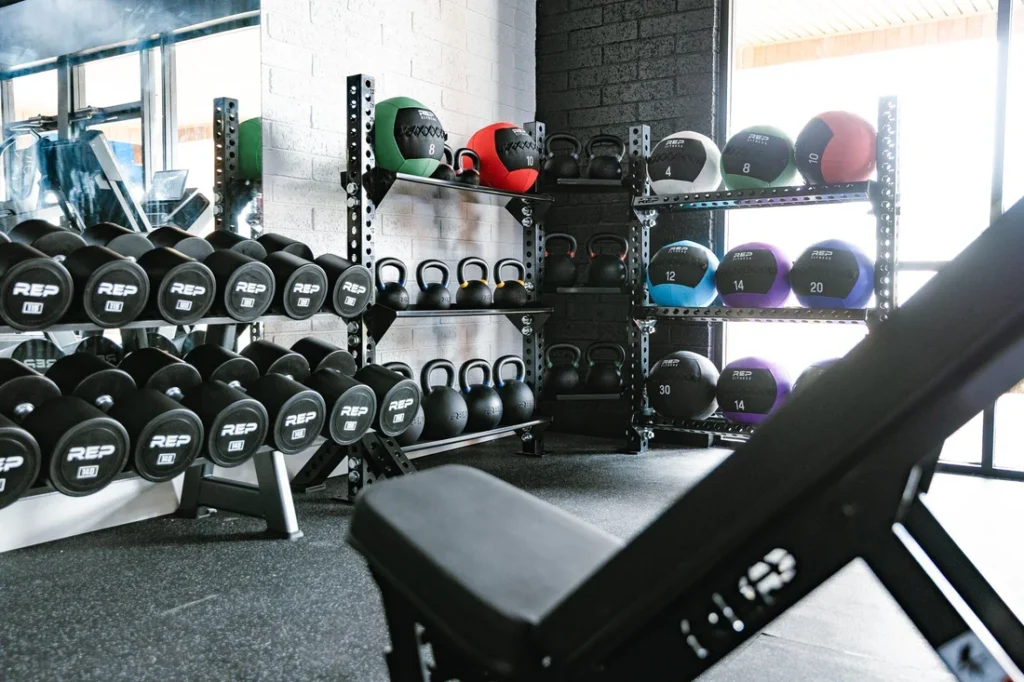
Free weights are the first must-have. They’re versatile, accessible, and suitable for everyone—from beginners doing simple dumbbell squats to athletes working on advanced compound lifts. A complete dumbbell set, barbells, weight plates, and sturdy squat racks provide the foundation for thousands of exercises. Even in gyms with limited space, adjustable dumbbells or compact racks can enable strength training without overcrowding.
Another essential piece is the cable machine. This equipment allows users to perform a wide variety of movements, targeting upper, lower, and core muscles with smooth, controlled resistance. Many gyms report that cable machines are among the most frequently used pieces of equipment on the floor because they support safe, functional, full-body workouts.
It’s also important to offer benches in flat, incline, and adjustable versions. Benches complement free weights and allow members to perform presses, rows, step-ups, and more. A few well-built benches can dramatically improve the value of a strength area without taking up much space.
Finally, strength training isn’t just about muscles—it also supports bone health, mobility, and metabolic function, backed by research in human physiology. Linking workouts to long-term health is one of the best ways to build trust and loyalty among members.
2. Cardio Machines: Keeping Hearts Healthy and Workouts Engaging
Cardio equipment is another non-negotiable for any fitness facility. People come to the gym for different reasons—some want high-intensity workouts, while others simply want to walk, jog, or cycle at a comfortable pace. Cardio machines help meet those varied needs.
Treadmills are typically the most popular because walking and running come naturally to most people. A row of durable treadmills helps users warm up, cool down, or complete full cardio routines. Many modern machines include cushioning systems that reduce joint impact, which is a big benefit for older adults or anyone easing back into exercise.
Next on the list are stationary bikes. These are perfect for people with knee or lower-body limitations, and they’re also a favourite for group fitness studios offering spin-style classes. For larger gyms, a mix of upright and recumbent bikes ensures accessibility for all fitness levels.
Elliptical trainers offer a smooth, low-impact alternative that engages both the upper and lower body. They’re especially useful for people recovering from injuries or those who prefer a gentler form of cardio.
Rowing machines, often underrated, provide a full-body workout that’s great for strengthening back muscles while improving cardiovascular endurance. They’re space-efficient and appeal to members who enjoy varied training routines.
Cardio machines also encourage consistency—many people feel more motivated when they can track distance, speed, and calories burned. These measurable results help build healthy, long-term habits and encourage members to return to your facility day after day.
3. Functional Training Tools: Engaging Members Through Variety
Today’s fitness landscape is shifting toward more dynamic, movement-based training. This is where functional training equipment becomes essential. Such tools help members build strength that supports real-life activities—lifting groceries, climbing stairs, carrying heavy bags, or even improving posture from long hours in the office.
Kettlebells, medicine balls, resistance bands, and battle ropes bring versatility and creativity to workouts. These tools are especially important for group classes because trainers can easily design circuits that keep people engaged and energised. They also allow coaches to scale difficulty levels, making workouts accessible to beginners while still challenging for advanced users.
A functional trainer—a dual cable unit—is often considered one of the most valuable pieces in any modern gym. It supports hundreds of exercises and helps users train multiple muscle groups at once. For gyms with limited floor space, this multifunctional design is a major asset.
Don’t forget mats, foam rollers, and stretching areas. Providing a dedicated space for mobility and recovery shows members that your gym values overall health, not just intense workouts.
Functional training emphasises movement patterns rather than isolated exercises. This approach aligns well with ideas from disciplines like biomechanics, helping gym-goers improve balance, coordination, and overall physical performance.
4. What to Consider When Buying Gym Equipment (And How to Choose Wisely)
Investing in commercial gym equipment isn’t the same as buying home workout gear. Gym equipment must withstand heavy daily use, varied fitness levels, and long training sessions—often from early morning until late at night.
Here are a few important considerations:
Durability – Choose equipment built with commercial-grade materials. Weak welds, unstable frames, and low-quality pulleys will wear out quickly and can pose safety risks.
User experience – Comfortable grips, intuitive adjustments, and smooth movement patterns matter more than we think. They help members exercise with confidence and reduce the chance of injury.
Space planning – Before ordering large equipment, create a layout plan. Consider walk paths, accessibility, free space around machines, and group class zones.
Versatility – Equipment that supports multiple exercises (functional trainers, cable machines, adjustable benches) offers more value while saving space.
Maintenance – Opt for equipment that’s easy to clean, inspect, and maintain. This keeps your gym safe and your equipment long-lasting.
As your facility grows, you can always expand your collection, but starting with essential, high-quality pieces builds a strong foundation from day one.
5. Where to Find Reliable and High-Quality Equipment
Choosing a trusted supplier plays a significant role in your gym’s long-term success. Many facility owners look for equipment that balances durability, performance, and value. When you’re ready to explore options, you can check out a wide selection of commercial gym equipment in Australia to compare designs, features, and build quality before making your final decision.
Finding the right equipment is more than a checklist—it’s about creating a training environment where people feel motivated, supported, and excited to work on their goals. The right setup transforms every workout into a positive experience, whether someone is lifting for the first time or preparing for a competitive event.
Building a fitness facility is a big commitment, but selecting the essential equipment can make a world of difference. With the right mix of strength machines, cardio tools, and functional training gear, your gym becomes a space where people genuinely enjoy showing up—day after day. And when you provide an environment that’s safe, versatile, and welcoming, you’re not just building a gym; you’re building a community.