Creating a safe home environment for a child with autism can make a world of difference in their daily life. As parents and caregivers, we want to provide spaces that support their unique needs, reduce stress, and encourage positive development. This article explores practical steps to transform your home into a haven of security and comfort. We’ll cover everything from sensory considerations to organizational strategies, helping you build a space where your child can thrive.
Understanding Your Child’s Needs
Every child with autism is different, so the first step is to observe and understand what triggers discomfort or anxiety in your home. Some children may be sensitive to loud noises, bright lights, or certain textures. Start by keeping a journal of your child’s reactions to different areas of the house. Note what calms them and what causes distress. This personalized approach ensures that the changes you make are tailored specifically to your family.
Consulting with professionals can provide valuable insights. Occupational therapists or behavioral specialists often offer home assessments to identify potential hazards or improvements. For instance, they might suggest modifications to lighting or furniture arrangements to minimize sensory overload. By gathering this information, you’ll have a solid foundation for making informed decisions about your home setup.
Sensory-Friendly Design Elements
One key aspect of a safe home is incorporating sensory-friendly features. Begin with lighting: Harsh fluorescent lights can be overwhelming, so opt for soft, dimmable LED bulbs or natural light filters like sheer curtains. In rooms where your child spends a lot of time, such as the bedroom or play area, consider installing blackout shades to control brightness levels during the day.
Soundproofing is another important element. Thick rugs, curtains, and foam panels can absorb echoes and reduce noise from outside or within the home. If your child enjoys music or white noise, set up a dedicated sound station with headphones or speakers that they can control. Textures matter too—choose smooth, non-irritating fabrics for bedding and upholstery. Avoid rough materials that could cause discomfort during play or rest.
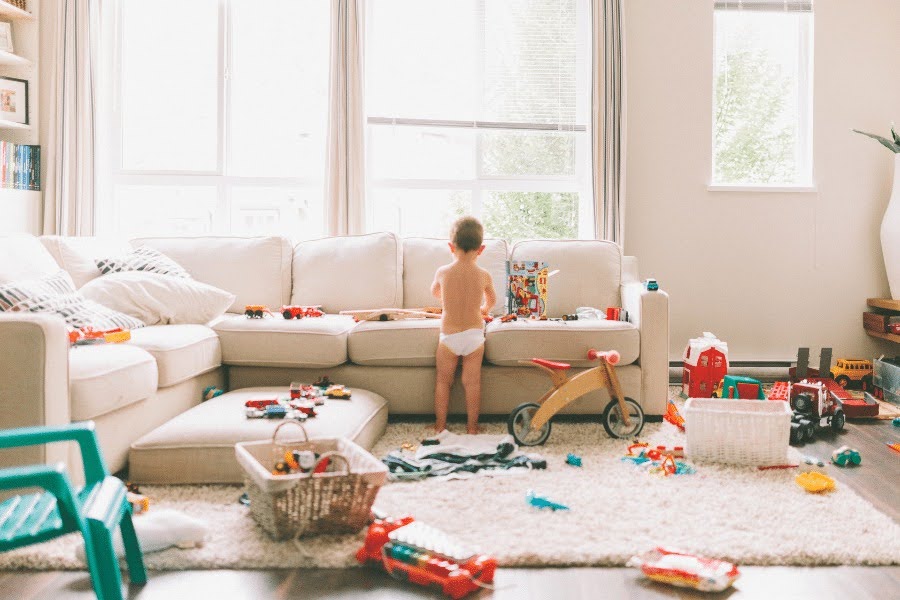
Visual clutter can also be a challenge. Use neutral colors on walls and floors to create a calming backdrop. Organize toys and items in clear, labeled bins to make the space feel orderly. Wall decals or murals with soothing patterns, like gentle waves or forests, can add interest without overwhelming the senses.
Safety Modifications for Daily Living
Physical safety is paramount. Start by securing furniture to walls to prevent tipping, especially in areas where your child might climb or lean. Install gates at stairways and locks on cabinets containing cleaning supplies or sharp objects. For kitchens and bathrooms, anti-slip mats and rounded corner guards can prevent accidents.
Electrical outlets should be covered with childproof plugs, and cords bundled neatly to avoid tripping hazards. If your child has a tendency to wander, consider door alarms or GPS trackers for peace of mind. Windows can be fitted with locks or guards to prevent falls, while still allowing fresh air.
In the bathroom, temperature-controlled faucets reduce the risk of burns, and non-slip tubs ensure stability during bath time. For bedrooms, weighted blankets or sensory swings can provide comfort, but always supervise their use to ensure safety.
Creating Designated Spaces
Dedicate specific areas for different activities to promote routine and security. A quiet corner with bean bags, pillows, and noise-canceling headphones can serve as a calming retreat when things get overwhelming. Equip it with fidget toys or books that match your child’s interests.
A structured play area with modular storage helps keep things organized. Use visual schedules on walls to outline daily routines, making transitions smoother. For homework or therapy sessions, set up a distraction-free zone with a comfortable desk and chair, perhaps partitioned from the rest of the room.
Outdoor spaces count too. If you have a yard, fence it securely and add sensory elements like sandboxes or swings. Even a small balcony can be transformed with potted plants and safe seating.
Incorporating Technology for Safety
Modern technology offers great tools for enhancing home safety. Smart home devices like voice-activated lights and thermostats allow easy control without physical effort. Security cameras with motion sensors can monitor play areas, sending alerts to your phone.
Apps designed for children with autism can help with communication and routine management. For example, visual timer apps signal when activities start or end, reducing anxiety. Wearable devices track location and vital signs, providing an extra layer of protection.
Ensure all tech is user-friendly and introduced gradually to avoid overwhelming your child. Parental controls on tablets or TVs limit exposure to unsuitable content.
Building Emotional Security
Safety isn’t just physical; emotional well-being is crucial. Foster open communication by using simple, clear language and visual aids like picture cards. Encourage expression of feelings through art or play.
Family routines build predictability. Consistent meal times, bedtimes, and activity schedules help your child feel secure. Involve siblings in understanding and supporting their brother or sister’s needs, promoting a harmonious home.
Positive reinforcement strengthens good behaviors. Celebrate small victories with rewards that your child enjoys, like extra playtime or a favorite snack.
Community Resources and Support
Connecting with other families facing similar challenges can be invaluable. Local support groups offer tips and emotional backing. Online forums provide a wealth of shared experiences and advice.
Professional services extend beyond the home. Enrolling in specialized programs can complement your efforts. For those in Texas, an ABA learning center in Houston provides structured support that aligns with home-based strategies.
Home maintenance plays a role too. A well-kept structure prevents unexpected issues. Consulting a roofing company in Houston ensures your roof remains sturdy, protecting against weather-related disruptions that could unsettle routines.
Practical Tips for Implementation
Start small to avoid overwhelming changes. Prioritize one room at a time, involving your child where possible to give them ownership. Budget wisely—many modifications, like rearranging furniture, cost little.
Regularly review and adjust. As your child grows, their needs may evolve, so flexibility is key. Track progress with notes or photos to see improvements over time.
Involve the whole family in maintenance. Assign simple chores that teach responsibility while keeping the home safe.
Overcoming Common Challenges
Challenges like resistance to change are common. Introduce new elements slowly, using positive associations. If the budget is tight, seek grants or community donations for adaptive equipment.
Sensory sensitivities vary, so trial and error is part of the process. Patience and persistence pay off.
Long-Term Benefits
A safe home fosters independence and confidence. Over time, your child may develop better coping skills, leading to fewer meltdowns and more joyful moments.
This investment in your home pays dividends in family happiness and well-being.
Final Thoughts
By thoughtfully adapting your home, you create a nurturing space that supports your child’s growth. Remember, small steps lead to big changes. With love and dedication, your home can become the safe sanctuary every child deserves.