Opening or upgrading a gym is exciting. You picture the buzz of people training, the steady rhythm of treadmills, the clang of plates in the strength zone. But behind that energy is something less glamorous—and far more important: durable equipment.
Commercial gym equipment isn’t just about looking impressive. It needs to survive constant use, heavy loads, sweat, cleaning chemicals, and the occasional misuse. Unlike a home setup that might see a few hours of training a week, commercial facilities operate almost like factories. Machines are used back-to-back for hours each day.
Choosing durable equipment is less about buying the flashiest machines and more about making smart, long-term decisions. Let’s break down how to approach it properly.
Think Like an Operator, Not Just a Buyer
When selecting equipment for a commercial gym, shift your mindset. Instead of asking, “Does this look good?” ask:
- How will this hold up after 12 hours of daily use?
- How easy is it to maintain?
- What happens if something breaks?
Think of it like buying kitchen equipment for a busy restaurant. A home blender might work fine for smoothies on the weekend. But in a café serving 200 drinks a day, that same blender would burn out quickly.
Gyms operate in a similar way. High traffic changes everything.
Durable commercial equipment should have:
- Heavy-duty steel frames
- Reinforced weld points
- Quality bearings and moving parts
- Thick upholstery that resists tearing
- Stable, wide bases to prevent wobbling
These structural elements may not be flashy, but they determine whether a machine lasts five years—or fifteen.
Match Equipment to Your Audience
Not all gyms serve the same crowd. A boutique Pilates studio has different needs than a strength-focused warehouse gym or a hotel fitness center.
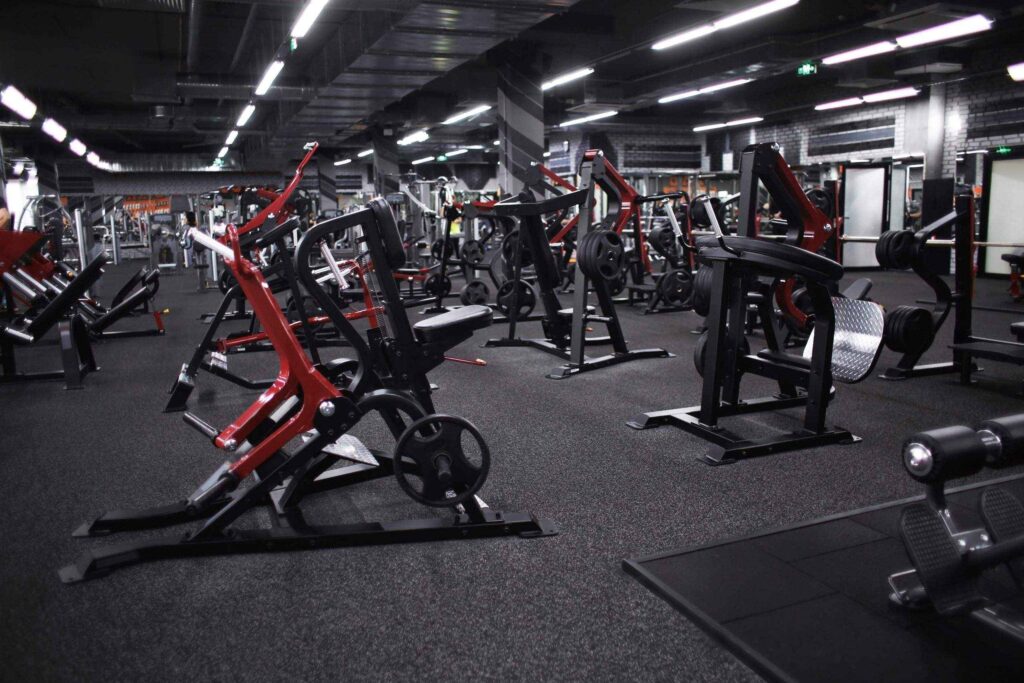
If your facility caters to general members, you’ll likely need a balanced mix of cardio and resistance equipment. For strength-oriented gyms, racks, platforms, and plate-loaded machines will see the most stress.
Understanding your audience helps you invest wisely. For example:
- Corporate gyms may prioritize easy-to-use selectorized machines.
- Athletic training centers may need equipment that supports explosive movements.
- Rehabilitation-focused spaces often require smooth, controlled resistance.
It’s similar to how hospitals choose specialized medical equipment based on the patients they treat. Your equipment should reflect your members’ training style.
Durability in Cardio Equipment
Cardio machines—like treadmills, bikes, and rowers—are some of the hardest-working pieces in a gym.
A commercial treadmill may run for 8–10 hours per day. Motors, belts, and decks must handle constant impact. Look for:
- Strong motor horsepower ratings
- Solid deck construction
- Shock absorption systems
- Simple, durable display consoles
In busy environments, complexity can become a weakness. Overly complicated screens may look impressive, but they can increase maintenance issues.
Think of airport escalators. They’re designed to operate continuously with minimal downtime. That’s the standard commercial cardio equipment that should aim for.
Strength Equipment: Built for Load and Longevity
Strength equipment faces different stresses. Instead of continuous motion, it endures heavy force.
Barbell racks, benches, and machines must support repeated maximum loads without bending or shifting.
Pay attention to:
- Frame thickness (often measured in gauge steel)
- Bolted versus welded construction
- Stability under heavy weight
- Quality of cables and pulleys
Cables, for example, should feel smooth and consistent. Jerky or uneven resistance often signals lower-quality internal components.
Resistance training is based on the principle of challenging muscles with external force. That force repeatedly travels through frames, cables, and joints. Over time, weak materials fail.
Durable machines distribute force evenly and minimize stress points.
Maintenance and Serviceability Matter
Durability isn’t just about surviving impact. It’s also about how easily equipment can be maintained.
In commercial settings, downtime costs money. If a machine breaks and takes weeks to repair, members get frustrated.
Look for:
- Accessible parts
- Clear maintenance instructions
- Readily available replacement components
- Straightforward warranty terms
It’s similar to fleet vehicles in logistics companies. Vehicles that are easy to service stay on the road longer and cost less over time.
Ask suppliers about parts availability and service support. Long-term reliability depends on more than the initial build quality.
Flooring and Layout Influence Equipment Longevity
Durability doesn’t exist in isolation. Your flooring and layout affect how equipment performs.
Machines placed on uneven surfaces wear down faster. Free weights dropped on bare concrete can damage both plates and flooring.
Proper spacing also matters. Crowded layouts increase accidental collisions and misuse.
Planning your layout strategically protects your investment and improves member experience.
Balancing Budget and Long-Term Value
Budget is always part of the conversation. But commercial gyms operate differently from home setups.
Choosing cheaper equipment may save money upfront, but frequent repairs or early replacement can quickly offset those savings.
Think of it like construction materials. Using lower-grade steel in a building might reduce costs initially, but structural repairs later become expensive and disruptive.
In commercial gyms, durability directly affects profitability. Reliable equipment means:
- Fewer service interruptions
- Happier members
- Lower replacement costs
- Stronger reputation
Sometimes spending slightly more at the beginning reduces total costs over the life of the equipment.
Comparing Options Strategically
When evaluating options, avoid comparing machines purely on appearance.
Instead, review specifications carefully and consider how they align with your usage demands. Browsing dedicated collections for commercial equipment for fitness spaces can help you assess categories side by side—cardio, plate-loaded, selectorized, and functional training setups.
Pay attention to load ratings, construction materials, and intended commercial use classifications.
If equipment is marketed for “light commercial” use, it may not hold up in a high-volume 24/7 facility.
Safety as a Durability Indicator
Durable equipment often overlaps with safe equipment.
Stable frames, smooth movement patterns, and secure locking mechanisms reduce the risk of injury. Equipment that feels solid under load gives users confidence.
If a machine shifts or rattles, members may avoid it—even if it technically functions.
Safety features like spotter arms, secure adjustment pins, and clear weight markings are small details that enhance both durability and user trust.
Final Thoughts
Selecting durable commercial equipment isn’t about chasing trends. It’s about understanding how your facility operates day in and day out.
Start with your audience. Consider usage volume. Evaluate structural quality. Think long-term about maintenance and support. Review specifications carefully rather than relying on aesthetics.
Commercial gyms function like high-traffic workplaces. Equipment must handle repeated stress without compromising safety or performance.
When you invest in durability from the beginning, you create a stable foundation for your business. Members experience reliable machines. Staff deal with fewer disruptions. And your facility builds a reputation for quality.
In the end, strong equipment supports strong results—not just for your members, but for your business as well.