Dementia can affect many parts of a person’s life memory, communication, mood, and behavior. One of the more difficult emotional changes that can occur is paranoia, a state where the person becomes suspicious of others, even loved ones. For many families, it can be both confusing and painful to witness.
If your loved one has been diagnosed with dementia and is now showing signs of paranoia, you may be wondering: is this part of the disease’s progression, or something else? Understanding what’s happening and how to respond can make a big difference in quality of life—for both the senior and the caregiver.
Understanding Paranoia in the Context of Dementia
Paranoia involves unfounded fears or beliefs that someone is trying to harm, deceive, or steal from the person. In the context of dementia, these thoughts are not based in reality—but they feel very real to the person experiencing them.
For example, a senior may believe a caregiver is hiding their medication, or that their spouse is cheating on them even if the spouse passed away years ago. These delusions aren’t intentional or malicious; they stem from changes in brain function that impact memory, reasoning, and emotional processing.
Paranoia is considered one of several behavioral and psychological symptoms of dementia (BPSD), along with agitation, hallucinations, and depression.
When Does Paranoia Typically Occur?
Many families ask what stage is paranoia in dementia, as they try to understand where their loved one is in the disease process. Generally, paranoia appears in the moderate to late stages of dementia, especially in Alzheimer’s disease.
As memory loss worsens, the brain has trouble distinguishing what’s real from what’s imagined. If someone forgets they moved an item, they may assume it was stolen. If they can’t recognize familiar faces, they may think someone is an impostor.
In vascular dementia or Lewy body dementia, paranoia may develop earlier depending on which parts of the brain are affected. It’s also more likely to appear in the evening this is known as “sundowning,” where confusion and fear intensify late in the day.
How to Respond to Paranoia with Care and Empathy
Paranoia can lead to arguments, fear, or even aggression. The key for families is not to argue or try to prove the senior wrong. Logic often doesn’t work in these situations, and pushing back can create more confusion or distress.
Here are a few helpful ways to respond:
- Stay calm and listen. Acknowledge their feelings, even if the details aren’t accurate.
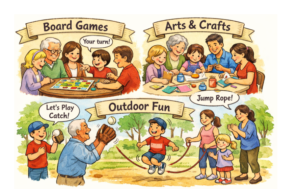
- Redirect with compassion. Gently shift focus to a calming activity like looking through photos or having a snack.
- Keep a routine. Predictability helps reduce stress and confusion.
- Use visual reminders. Notes, labels, and calendars can help with memory gaps that may trigger suspicion.
It’s important to validate their emotions, even if you can’t validate the belief. Saying “I understand that must be upsetting” goes a lot further than “That’s not true.”
The Role of Professional Support in Managing Paranoia
When paranoia becomes frequent or severe, families may struggle to manage it on their own. At this point, getting professional help can relieve stress and provide a safer, more stable environment for the senior.
Experienced caregivers are trained in techniques to reduce agitation and respond to paranoia without escalating the situation. They know how to build trust and create a calming presence through consistency and patience.
In some cases, doctors may recommend medication, but only after non-drug approaches have been tried. Antipsychotic drugs can carry serious risks for older adults, so they should be used with caution and under close supervision.
Environmental support is equally important. A well-lit, clutter-free, and familiar home reduces triggers that may contribute to paranoia. Sometimes, something as simple as covering a mirror or moving a shadowy object can help.
How Visiting Angels Can Support Families
If you’re caring for someone with dementia in Northern Virginia, home care Manassas services from Visiting Angels offer practical and compassionate support. Their trained caregivers provide one-on-one attention in a familiar setting—something that makes a real difference when dealing with paranoia.
Visiting Angels caregivers assist with personal care, safety monitoring, and emotional support, helping seniors stay grounded and secure at home. Care plans are personalized, and staff are matched thoughtfully to each family’s needs.
The agency’s experience in dementia care means they understand the nuances of paranoia and other behavioral changes. Their caregivers are trained not only in physical assistance, but in patience, empathy, and communication skills that are essential in managing complex dementia symptoms.
Whether you need daily help or occasional respite, Visiting Angels can be a steady presence, giving both seniors and family caregivers peace of mind.
Conclusion
Paranoia is a common and often distressing part of dementia progression. While it typically appears in the middle to late stages, it can vary depending on the type of dementia and the individual. Recognizing it as a symptom of brain changes, rather than personal attacks, can help caregivers respond with more empathy and less frustration.
With the right tools, strategies, and support from professionals, families can manage paranoia in a way that protects the dignity and well-being of their loved one. In-home care services can provide relief, stability, and reassurance for everyone involved.