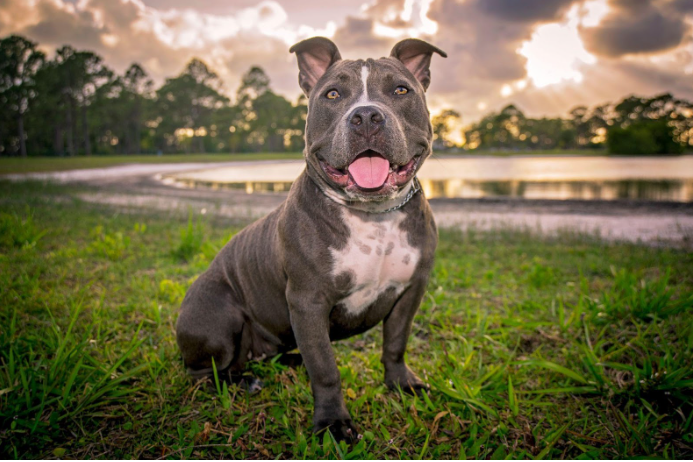
The pocket bully typically lives 10 to 12 years, though some may reach 13 or 14 with excellent care. This is similar to other medium bully breeds, but individual lifespan varies based on genetics, health, and environment.
It’s crucial to note that pocket bullies are a designer mix, and their longevity depends on which traits they inherit. With attentive care, these muscular but affectionate dogs can enjoy many active senior years.
Factors That Influence Pocket Bully Lifespan
According to the Dog Academy pocket bully breed guide, the lifespan of this breed isn’t fixed. A variety of factors and everyday choices play a role in how many healthy years your dog will enjoy. Here are some critical aspects to look into:
Genetics and Breeding Practices
Breeding strongly impacts lifespan. Dogs from responsible breeders who screen for hip, heart, and respiratory problems usually live longer. Poor breeding practices may shorten life expectancy by passing along chronic conditions.
Diet and Nutrition
Pocket bullies thrive on balanced meals with quality protein and essential nutrients. Diets high in fillers often lead to obesity, which stresses joints and organs. Sticking to portion-controlled meals helps keep weight under control.
Exercise and Mental Stimulation
Though compact, pocket bullies are active and muscular. Daily walks, play, and mental challenges like puzzle toys keep them fit and reduce stress. Exercise helps prevent obesity and supports long-term cardiovascular health.
Preventive Veterinary Care
Routine checkups allow early detection of issues. Vaccinations, parasite prevention, and dental care all add years to a dog’s life. Regular blood work and exams become even more important as pocket bullies age.
Living Environment
Pocket bullies can overheat easily and should not be left outdoors in extreme heat or cold. A stable, safe environment supports both physical and emotional well-being.
Taken together, these factors explain why some pocket bullies live only 9 years while others surpass 13 or more. Owners who focus on genetics, nutrition, exercise, and preventive care often see their dogs thrive well into old age.
Health Concerns That May Affect a Pocket Bully Lifespan
Pocket bullies are generally sturdy, but some health issues are more common for this designer mix breed:
- Hip and Elbow Dysplasia: Poor joint formation may cause mobility problems.
- Breathing Challenges: Shorter snouts in some lines can lead to respiratory stress.
- Skin Allergies: Irritation and infections are common, especially in warmer climates.
- Heart Conditions: Issues like murmurs and cardiomyopathy may occur.
- Obesity-Related Illness: Overfeeding can contribute to diabetes and shorter lifespan.
Awareness of these risks allows you to take preventive steps through proper diet, exercise, and veterinary care.
How to Help Your Pocket Bully Live Longer
Adding years to your dog’s life comes down to consistent, everyday choices. While you cannot change genetics, you can control many of the lifestyle factors that make the difference between an average lifespan and a longer, healthier one.
- Balanced Daily Care: A structured routine with quality food, walks, and rest sets the foundation.
- Weight Management: Maintaining a lean body reduces strain on joints and organs.
- Joint Support: Supplements such as omega-3 fatty acids can improve mobility.
- Veterinary Monitoring: Annual exams, or twice yearly for seniors, keep small issues from becoming serious.
- Safe Environment: Comfortable bedding indoors and protection from harsh weather help longevity.
By committing to these simple habits, you can improve both the quality and lifespan of your pocket bully. Small, consistent efforts add up over the years and help ensure more time with a happy, healthy companion.
Life Stages of a Pocket Bully
Like every other breed, pocket bullies also go through distinct life phases that bring different needs and challenges. Understanding these stages helps you to adapt care routines that support health and extend lifespan.
- Puppy (0–1 Year): Growth, high energy, and social development.
- Adult (2–7 Years): Peak activity and strength, with steady health if well cared for.
- Senior (8+ Years): Slower metabolism, possible arthritis, and frequent vet visits.
Recognizing these changes early ensures that your pocket bully receives the right nutrition, exercise, and veterinary attention at every stage. Meeting their needs as they age improves quality of life and supports a longer, healthier life overall.
Making the Most of Your Pocket Bully’s Years
The years with a pocket bully go quickly, and planning ahead makes all the difference. Staying consistent with care, setting routines, and paying attention to small changes in your dog’s health will make those years more rewarding.
Beyond the basics, it is the time spent together through daily walks, training sessions, and quiet companionship that turns their lifespan into a meaningful journey.