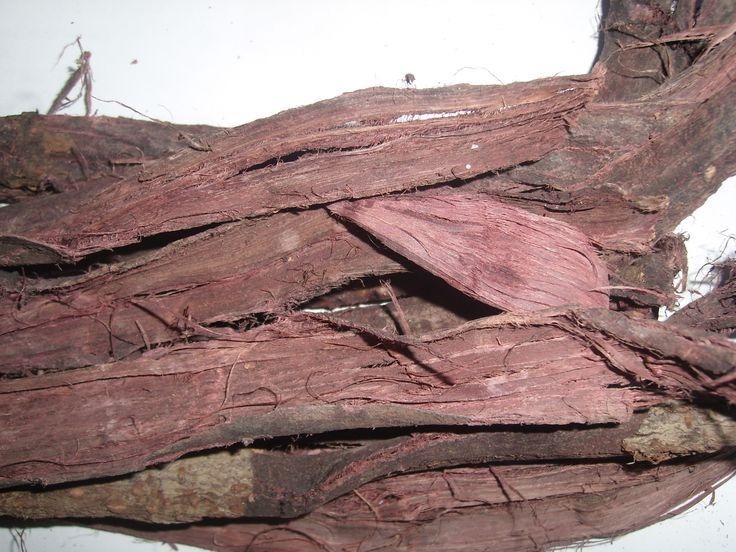
The natural world offers a wealth of resources that have been used for generations in traditional practices. One such resource is the Mimosa Hostilis Root Bark (MHRB), derived from a perennial tree native to South and Central America. Also known as Mimosa tenuiflora or “Tepezcohuite” in Mexico, this plant has a rich history of use by indigenous communities for its diverse properties.
For centuries, various parts of the Mimosa hostilis tree have been utilized for different purposes. However, it is the inner bark of the root that is most highly valued. This specific part of the plant contains a unique concentration of compounds that give it its notable characteristics.
This post will explore the general benefits and traditional applications of Mimosa Hostilis Root Bark. We will look at its historical significance, its role in skincare and as a natural dye, and how it is sourced and prepared for various uses. By understanding this remarkable plant, you can appreciate why it continues to be a subject of interest and a staple in many traditional and modern applications.
What is Mimosa Hostilis?
Mimosa hostilis, often called the “skin tree,” is a hardy, thorny tree that thrives in the tropical climates of countries like Brazil and Mexico. It can grow up to 8 meters tall and is recognized by its fern-like leaves and clusters of white, fragrant flowers. The tree is exceptionally resilient, capable of regenerating quickly after being cut down or damaged by fire, which speaks to its robust nature.
While the leaves and other parts of the plant have their uses, the most sought-after component is the root bark. The inner layer of this bark is where the plant’s most beneficial compounds are found. Indigenous peoples of the Americas discovered its valuable properties long ago, incorporating it into their cultural and wellness practices.
In Mexico, its local name, Tepezcohuite, has become synonymous with skin restoration. It was used traditionally for skin issues for decades. This historical use has laid the foundation for its modern applications, where it is often found in cosmetics and skincare products. The bark’s reputation is built on centuries of effective, hands-on use.
The Versatile Applications of MHRB
The unique composition of Mimosa Hostilis Root Bark makes it suitable for a wide range of applications, from beauty and skincare to artisan crafts. Its properties are harnessed in different forms, including powder, shredded bark, and whole chunks.
A Natural Dye
One of the primary traditional uses of MHRB is as a natural colorant. The bark is rich in tannins, which are compounds that produce deep, lasting colors. These tannins can be extracted to create dyes ranging from reddish-brown to rich purple hues. For centuries, artisans have used this dye to color fabrics, leather, and other textiles.
The process of creating dye from Mimosa Hostilis Root Bark is a craft in itself. The color intensity and shade can be manipulated by adjusting the extraction method and using different mordants (substances that help the dye bind to the fabric). This makes it a favorite among crafters who prefer natural, eco-friendly materials for their projects. The resulting colors are earthy and vibrant, offering a beautiful alternative to synthetic dyes.
A Powerful Ally for Skin
Perhaps the most celebrated use of Mimosa Hostilis Root Bark is in skincare. Known as Tepezcohuite in this context, it has been a go-to remedy for skin ailments in Mexico for many years. The bark contains a high concentration of beneficial compounds that support the skin’s natural healing and regenerative processes.
Today, MHRB is a popular ingredient in the beauty industry. It can be found in a variety of products, including:
- Soaps and Cleansers: For its ability to gently cleanse the skin.
- Creams and Lotions: To moisturize and nourish the skin, promoting a healthy appearance.
- Cosmetics: As a natural coloring agent and for its skin-friendly properties.
The bark’s components are thought to help protect the skin and support its structure, making it a valuable addition to products aimed at maintaining healthy, youthful-looking skin.
Other Traditional Uses
Beyond dyeing and skincare, MHRB has other creative and practical uses. The powdered form is sometimes incorporated into artisanal products like soaps and incense. Its pleasant, earthy aroma adds a unique character to these items. The versatility of the bark allows it to be used in various DIY projects, from making homemade beauty products to crafting unique art pieces.
Sourcing and Preparation
The quality of Mimosa Hostilis Root Bark largely depends on how it is harvested and processed. Ethical and sustainable harvesting practices are crucial to ensure the long-term survival of the Mimosa hostilis tree and the ecosystems where it grows.
Reputable suppliers work directly with farmers, often in Brazil, to implement fair trade systems. This ensures that the bark is harvested responsibly, with practices like planting more trees than are harvested to support reforestation. Ethical sourcing also guarantees that the local communities who have stewarded these plants for generations receive fair compensation for their labor and knowledge.
Once harvested, the root bark is available in several forms:
- Whole Bark: Large pieces of the bark as they were harvested from the root.
- Shredded Bark: The whole bark cut into smaller, more manageable pieces.
- Powdered Bark: Finely ground bark, which is the easiest form to incorporate into cosmetic preparations, soaps, and dyes.
High-quality MHRB is 100% natural and free from additives or chemicals, ensuring that the final product is pure and potent.
Discover the Potential of MHRB
Mimosa Hostilis Root Bark is a testament to the power of nature. From its deep, rich dyes to its remarkable benefits for the skin, this plant has earned its respected place in both traditional and modern practices. Its long history of use and the ongoing commitment to sustainable sourcing ensure that its legacy will continue for years to come.
Whether you are an artisan looking for a natural dye, a formulator creating skincare products, or simply someone interested in the benefits of traditional botanicals, MHRB offers a world of possibilities. By choosing products from suppliers who prioritize quality and sustainability, you can experience the best of what this incredible plant has to offer.






mimosa hostilis root bark
buy mimosa bark online
powdered mimosa tenuiflora
premium mimosa bark
mimosa hostilis inner root bark (MHRB)
mimosabarks.com
Mimosa Barks
http://www.mimosabarks.com
The Mimosa Barks team
visit mimosabarks.com
mimosa hostilis root bark
buy mimosa bark online
powdered mimosa tenuiflora
premium mimosa bark
mimosa hostilis inner root bark (MHRB)
high-quality mimosa barks
organic mimosa tenuiflora bark
source for root bark powder
shredded mimosa hostilis bark
natural mimosa bark dye
benefits of mimosa tenuiflora for skin
how to use mimosa root bark
traditional uses of mimosa hostilis
mimosa bark soap recipes
natural soap making with root bark
Click here to view products
check out their selection
buy it here
Learn more about their sourcing
read this guide
MHRB powder, derived from the root bark of the Mimosa hostilis tree, is highly valued for its traditional and ethnobotanical uses. The root bark is carefully harvested, dried, and ground into a fine powder, which contains naturally occurring compounds such as DMT (dimethyltryptamine) and other alkaloids. Historically, MHRB has been used in ceremonial contexts by indigenous cultures for its psychoactive properties, often in the preparation of ayahuasca analogs. Beyond its traditional uses, the powder is sometimes studied for potential therapeutic applications, including introspective and spiritual experiences, although these uses require careful, legal, and responsible handling. It is important to note that MHRB powder is potent and should only be used with respect, proper knowledge, and awareness of legal restrictions in various regions.
mimosa hostilis root bark powder for sale
MHRB root bark, which stands for Mimosa Hostilis Root Bark, is a natural plant material traditionally used in various cultural and spiritual contexts. It is highly valued for its rich concentration of harmala alkaloids and DMT precursors, making it a key ingredient in certain traditional ceremonies and natural medicine practices. The bark has a long history of use by indigenous communities in South America for its psychoactive and ritualistic properties, often prepared in teas or extracts. Beyond its traditional use, MHRB root bark has also gained attention for its applications in ethnobotany, research, and creative arts, though handling it requires care and respect due to its potent chemical composition. Sustainable harvesting is crucial, as overexploitation can threaten the plant’s populations in the wild.
mimosa tenuiflora root bark for sale
MHRB powder, derived from the root bark of the Mimosa hostilis tree, is highly valued for its traditional and ethnobotanical uses. The root bark is carefully harvested, dried, and ground into a fine powder, which contains naturally occurring compounds such as DMT (dimethyltryptamine) and other alkaloids. Historically, MHRB has been used in ceremonial contexts by indigenous cultures for its psychoactive properties, often in the preparation of ayahuasca analogs. Beyond its traditional uses, the powder is sometimes studied for potential therapeutic applications, including introspective and spiritual experiences, although these uses require careful, legal, and responsible handling. It is important to note that MHRB powder is potent and should only be used with respect, proper knowledge, and awareness of legal restrictions in various regions.
mimosa hostilis root bark powder for sale
Mimosa hostilis, also known as Mimosa tenuiflora, is a perennial tree native to parts of South and Central America, especially Brazil and Mexico. It is well known for its rich, dark reddish bark and delicate fern-like leaves. Traditionally, its root bark has been used for natural dyeing due to its high tannin content, producing deep purple to reddish-brown hues. In some cultures, it has also been valued in folk practices and ecological restoration because of its ability to improve soil quality by fixing nitrogen.
Mhrb for sale
Mimosa tenuiflora, commonly known as tepezcohuite or the “skin tree,” is a perennial tree native to parts of Mexico and South America. It is widely valued for its bark, which is rich in tannins, flavonoids, and other bioactive compounds known for their regenerative and antimicrobial properties. Traditionally used in folk medicine for wound healing and skin treatments, Mimosa tenuiflora has gained global recognition in natural skincare for supporting collagen production and soothing burns, scars, and irritation. Its resilience in harsh climates also makes it an important species for soil restoration and ecological balance.
mimosa hostilis for sale