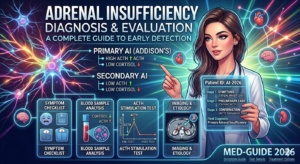
Adrenal insufficiency is a serious yet often overlooked endocrine disorder that occurs when the adrenal glands fail to produce adequate levels of essential hormones, especially cortisol. Since cortisol is responsible for regulating stress response, metabolism, and immune function, even a slight imbalance can lead to significant health complications.
Despite its severity, adrenal insufficiency is frequently misdiagnosed due to its vague and overlapping symptoms. This makes proper diagnosis and evaluation critically important. With the right approach, early detection can help prevent life-threatening complications and improve overall quality of life.
To better understand this condition and its clinical management, trusted healthcare providers like Liv Hospital offer expert-backed insights and advanced diagnostic support.
Understanding Adrenal Insufficiency
Adrenal insufficiency is generally classified into three main types:
- Primary adrenal insufficiency (Addison’s disease) – caused by direct damage to the adrenal glands
- Secondary adrenal insufficiency – due to insufficient ACTH production from the pituitary gland
- Tertiary adrenal insufficiency – often linked to prolonged steroid use affecting the hypothalamus
Each type differs in cause and requires a tailored diagnostic approach, which makes accurate evaluation essential.
Symptoms That Should Not Be Ignored
One of the main challenges in diagnosing adrenal insufficiency is that its symptoms develop slowly and often resemble other conditions. Common symptoms include:
- Persistent fatigue and weakness
- Unintentional weight loss
- Low blood pressure
- Dizziness or fainting
- Nausea and abdominal discomfort
- Muscle and joint pain
- Salt cravings
In severe cases, patients may experience an adrenal crisis, which requires immediate medical attention.
Initial Medical Evaluation
The diagnostic journey typically begins with a detailed clinical evaluation. Doctors assess:
- Patient’s medical history
- Use of medications (especially corticosteroids)
- Family history of autoimmune diseases
- Physical signs such as low blood pressure and dehydration
While these clues are helpful, laboratory testing is necessary to confirm the diagnosis.
Key Diagnostic Tests
1. Blood Tests
Blood testing is the first step in identifying adrenal insufficiency. These tests measure:
- Cortisol levels (usually low in affected patients)
- ACTH levels (to determine the type of insufficiency)
- Electrolyte balance (low sodium and high potassium levels are common in primary cases)
Morning cortisol testing is particularly important since cortisol levels peak early in the day.
2. ACTH Stimulation Test
The ACTH stimulation test is considered the gold standard for diagnosing adrenal insufficiency. It evaluates how well the adrenal glands respond to stimulation.
A normal response results in increased cortisol production, while a weak response indicates adrenal dysfunction.
3. Insulin Tolerance Test
This test assesses the entire hypothalamic-pituitary-adrenal (HPA) axis by inducing hypoglycemia. It is highly accurate but used selectively due to potential risks.
4. Imaging Techniques
Imaging studies such as CT scans or MRIs help identify structural abnormalities in the adrenal or pituitary glands. These tests are especially useful in determining the underlying cause of the condition.
For a more detailed and medically structured explanation, you can visit ENDOCRINOLOGY Adrenal Insufficiency Diagnosis and Evaluation, which provides comprehensive clinical insights.
Why Diagnosis Can Be Challenging
Adrenal insufficiency is often confused with other conditions such as:
- Chronic fatigue syndrome
- Depression
- Digestive disorders
- Thyroid imbalances
Because of these overlaps, patients may go undiagnosed for long periods. This highlights the importance of specialized endocrinology evaluation and persistent follow-up.
Importance of Early Detection
Timely diagnosis plays a crucial role in preventing complications. Without proper treatment, adrenal insufficiency can lead to severe health risks, including adrenal crisis.
Early diagnosis allows patients to:
- Start hormone replacement therapy
- Stabilize their condition
- Avoid emergency situations
- Maintain a better quality of life
With proper care, most individuals can manage the condition effectively.
Long-Term Management and Monitoring
Once diagnosed, adrenal insufficiency typically requires lifelong management. Regular monitoring ensures:
- Proper medication dosage
- Stable hormone levels
- Reduced risk of complications
Patients are also advised to adjust medication during stress, illness, or surgery to prevent sudden health deterioration.
Final Thoughts
Adrenal insufficiency is a complex but manageable condition when diagnosed correctly and early. Advances in medical testing and awareness have made it easier to identify and treat this disorder effectively.
In addition to medical care, adopting a healthy lifestyle, managing stress, and staying informed can significantly improve outcomes. For more tips on wellness, balanced living, and healthy habits, you can explore live and feel, a platform dedicated to helping you live better every day.