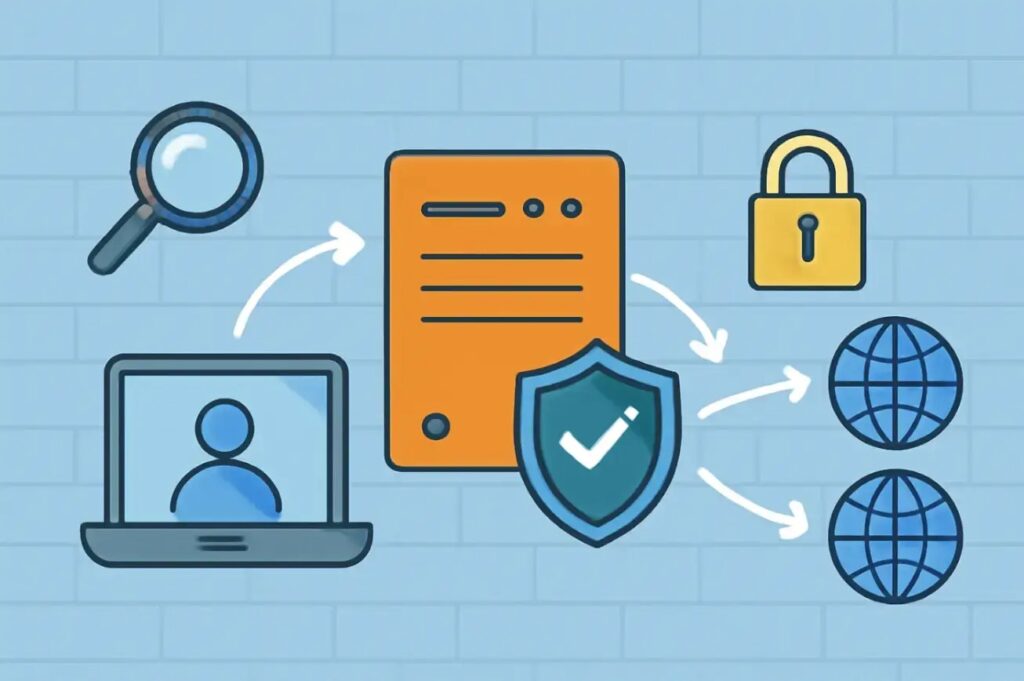
In 2025, the conversation around web infrastructure often focuses on cloud computing, GPUs, and bandwidth. Yet behind much of the world’s large-scale data operations lies a quieter, often misunderstood technology: ISP proxies.
Once seen as tools for anonymity or scraping, these IP networks have evolved into a critical layer supporting everything from AI model training to e-commerce price intelligence.
The Shift from Data Center to ISP Infrastructure
For years, companies relied on traditional data center proxies fast and cheap, but easy to detect. As websites grew more sophisticated in blocking automated traffic, detection systems began flagging these synthetic IP ranges at scale. Residential proxies emerged as an answer, using real consumer connections to mask requests. However, residential proxies come with instability, inconsistent speeds, and ethical questions about consent in peer-to-peer networks.Enter ISP proxies a hybrid model that combines the speed of data centers with the authenticity of residential IP ownership. These proxies are leased directly from internet service providers, ensuring clean IP reputations and stable connections. In essence, they look like genuine household connections to web servers, yet behave with enterprise-grade performance.According to estimates from Proxyway’s 2024 market report, ISP proxies now account for nearly 30% of all proxy traffic used in business data collection. Their adoption has grown fastest among AI developers and digital commerce firms, where latency and reliability directly affect model accuracy and business insights.
Fueling AI and Machine Learning Pipelines
Training modern AI models requires not only data but also diversity — in sources, regions, and contexts. Publicly available web data remains one of the richest datasets for language, product, and behavioral modeling. However, accessing it responsibly at scale requires distributed, compliant collection systems.AI firms increasingly use ISP proxies to collect localized data such as region-specific news, social content, or product listings without triggering rate limits or captchas. Because ISP IPs are trusted by default, they’re less likely to be blocked, ensuring smoother ingestion pipelines.A senior engineer at a European AI startup described ISP proxies as “the connective tissue that keeps our crawlers running 24/7.” With clean IPs and static sessions, data can be streamed continuously from multiple geographies essential for building multilingual or market-specific models.
E-commerce Intelligence and Price Monitoring
In global e-commerce, where pricing algorithms can shift by the minute, real-time market intelligence is invaluable. Retailers and aggregators rely on proxy-based monitoring systems to track competitors’ product prices, stock levels, and promotions.Using ISP proxies allows these scrapers to appear as legitimate users from different regions. Unlike rotating residential IPs, ISP connections stay stable for longer periods, letting systems perform deep crawling without session resets. The result is more accurate, time-aligned data for pricing engines.One U.S.-based price comparison platform reported a 40% improvement in uptime and a 20% decrease in blocked requests after migrating from residential to ISP proxies in 2023. For large-scale e-commerce ecosystems, those percentages translate into millions in additional competitive insights each quarter.
Ad Verification and Brand Safety
Digital advertising, worth over $700 billion globally, relies on trust and transparency. Yet fraud and geographic misrepresentation continue to plague the industry. Ad verification companies use ISP proxies to validate ad placement — ensuring that campaigns appear correctly across regions and that impressions are legitimate.Testing from local ISP IPs allows verification bots to see ads as real users do. This helps detect fraudulent intermediaries and prevent brands from wasting budgets on fake clicks. Since major ad networks monitor IP authenticity closely, ISP proxies offer the ideal balance between legitimacy and controlled testing environments.
The Culture of Sneaker Copping and Automation
Outside the corporate sphere, ISP proxies have also become indispensable in the world of sneaker copping — automated buying of limited-release footwear and collectibles. Retailers like Nike and Adidas deploy strict anti-bot measures, making proxy performance critical.Enthusiasts and bot developers favor ISP proxies for their mix of static stability and low detection rates. A single blocked IP can mean missing a $200 pair of sneakers that resells for $1,200 on secondary markets. Reliable ISP networks ensure bots connect fast, stay logged in, and mimic real users — essential for high-demand drops where milliseconds matter.
The Best ISP Proxy Providers Leading the Market
Several best isp proxies have established themselves as benchmarks for reliability and transparency in this space. Bright Data, Oxylabs, and FloppyData are often cited as the enterprise standards, offering large, verified pools of ISP IPs with granular targeting and API control. SOAX, Decodo, and Webshare appeal to smaller teams and developers, balancing cost-efficiency with speed and regional diversity.
A Quiet Backbone of Modern Data Access
Despite their growing role, ISP proxies still operate in the background of the internet economy, invisible yet vital. They are not merely tools for privacy or circumvention; they are the data arteries that keep machine learning, e-commerce, and marketing analytics functioning smoothly.As more companies seek ethical, compliant data collection methods, demand for clean ISP infrastructure is expected to rise sharply. Providers like Bright Data, Oxylabs, and SOAX now offer enterprise-grade ISP pools with detailed transparency reports and compliance controls.The modern web runs on layers — some visible, others not. In that stack, ISP proxies have quietly secured their place, bridging the gap between the open internet and the high-performance, compliance-driven systems that depend on it.