How to Choose the Right 1000BASE-T SFP Copper Transceiver for Your Network?
Understanding 1000BASE-T SFP Copper Transceivers
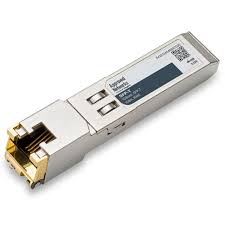
Selecting the right 1000BASE-T SFP copper transceiver for your network may seem straightforward, but it requires a deep understanding of your infrastructure, operational needs, and future expansion plans. A 1000BASE-T SFP copper transceiver enables Gigabit Ethernet transmission over standard Cat 5e or Cat 6 copper cables, allowing you to leverage existing cabling while upgrading your network to higher speeds. It provides flexibility and simplifies deployments without requiring fiber rewiring, but differences in module quality, compatibility, and design can significantly affect your network’s stability and efficiency.
Checking Compatibility with Your Network Devices
Compatibility with your existing switches and routers is one of the first factors you should consider when selecting a 1000BASE-T SFP copper transceiver. While many transceivers adhere to MSA (Multi-Source Agreement) standards for interoperability, some network devices only support specific brands or firmware-locked transceivers. Using unsupported modules can lead to issues such as unstable links, recognition failures, or reduced performance, potentially disrupting your network operations. Always verify your switch’s compatibility list or consult with your supplier to confirm that the transceiver you intend to purchase is fully supported, ensuring stable and reliable network connections.
Considering Operating Temperature for Industrial Environments
Operating temperature is crucial, especially if your network environment involves harsh or variable conditions. Standard commercial-grade 1000BASE-T SFP transceivers typically operate within 0°C to 70°C, suitable for office spaces and data centers. However, industrial environments such as manufacturing plants, outdoor enclosures, and transportation systems often experience extreme temperatures. For these scenarios, industrial-grade transceivers that support extended temperature ranges, typically from -40°C to 85°C, are necessary to ensure consistent and stable network performance, minimizing the risk of downtime due to environmental factors.
Evaluating Transmission Distance and Cable Quality
The typical transmission distance supported by 1000BASE-T SFP copper transceivers is up to 100 meters over Cat 5e or Cat 6 cables, aligning with Ethernet copper cabling standards. However, achieving consistent Gigabit speeds over this distance depends on the quality and condition of your existing cabling. Factors such as cable age, interference from nearby power sources, and improper installation can degrade signal integrity and reduce transmission performance. It is advisable to assess and test your cabling infrastructure to ensure it can support the expected performance, and consider upgrading to higher-quality cabling if necessary to maximize the benefits of your 1000BASE-T SFP modules.
Power Consumption and Efficiency Considerations
Power consumption often goes unnoticed but can have a significant impact on operational costs and thermal management within your network devices. Copper SFP transceivers generally consume more power than fiber SFP modules due to the additional processing required for signal conversion over copper media. In high-density deployments, this can contribute to increased energy costs and heat output within your switches. Ensuring your network equipment can handle the combined power draw of multiple copper transceivers without thermal issues is essential, and considering energy-efficient transceivers can help balance performance with operational efficiency in your network environment.
Matching the Transceiver to Your Application
Your intended application should guide your choice of a 1000BASE-T SFP copper transceiver. In data centers, where high-density configurations and efficient cable management are essential, transceivers with low-profile designs and reliable latch mechanisms can simplify installation and maintenance. For industrial or edge network environments, durability against shock and vibration becomes a key consideration, with some industrial-grade transceivers offering reinforced housings and PCB structures to ensure stable operation under physical stress. Understanding the unique demands of your application allows you to choose a transceiver that best supports your operational workflows.
Balancing Cost with Long-Term Reliability
While cost is an inevitable consideration, prioritizing lower initial costs over long-term performance and reliability can lead to higher maintenance expenses and network disruptions. Lower-priced transceivers may lack quality control or rigorous testing, increasing the risk of failures or performance issues. It is advisable to source 1000BASE-T SFP copper transceivers from reputable manufacturers or suppliers who offer quality assurance, compatibility testing, and reliable technical support. Investing in quality modules can reduce future maintenance burdens, improve your network’s stability, and protect your infrastructure investment.
Preparing Your Network for Future Needs
Future-proofing your network should also be part of your decision-making process. While 1000BASE-T will continue to play a significant role in access and edge network connections, the growing need for higher bandwidth in many industries may require scaling to 2.5G, 5G, or 10G speeds in the future. When planning transceiver purchases, consider how your network might evolve and whether balancing copper transceivers with fiber options for uplinks could better prepare your network for expanding bandwidth requirements. Planning with scalability in mind helps protect your investment and supports your organization’s growth without requiring complete infrastructure overhauls.
Conclusion
Choosing the right 1000BASE-T SFP copper transceiver for your network involves evaluating compatibility, environmental conditions, transmission distance, power consumption, and specific application needs while considering your long-term network strategy. By thoroughly assessing these factors, you can confidently deploy copper transceivers that enhance network stability, operational efficiency, and adaptability, allowing your organization to leverage existing copper cabling for high-speed connectivity while maintaining readiness for future network advancements. Careful selection ensures your network remains cost-effective, reliable, and capable of supporting your business operations seamlessly in a competitive digital environment.