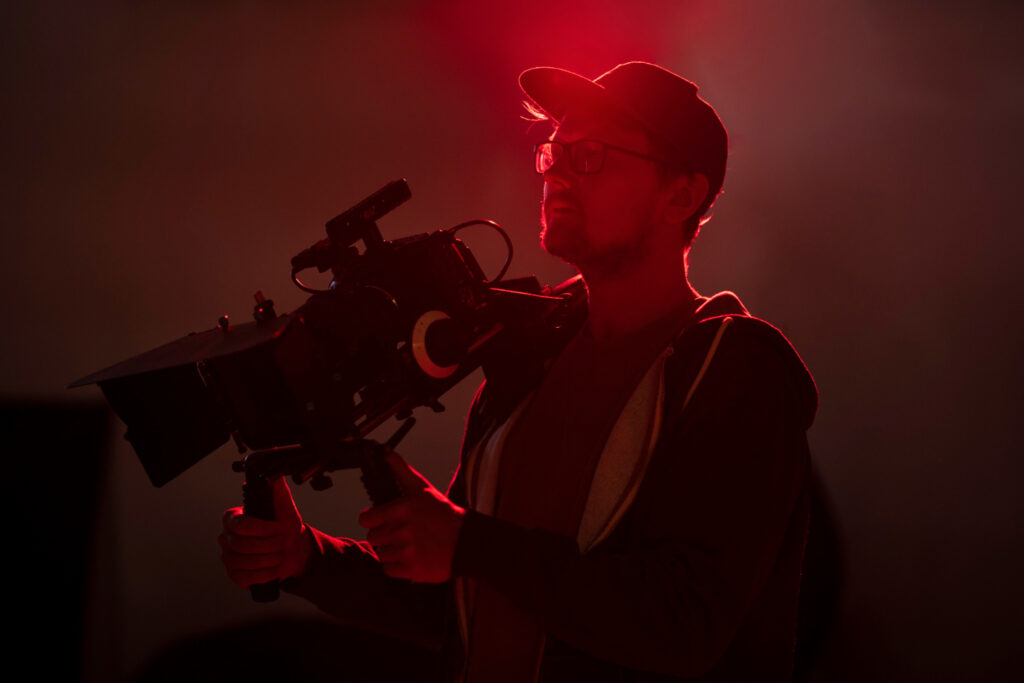
Neon cinematography is bold. It grabs attention with vivid colors and glowing lights. This visual style transforms simple scenes into artistic frames. Filmmakers use it to create mood, enhance emotion, and tell a deeper story. It’s not just about color. It’s about energy, tone, and atmosphere.
In this article, we explore what neon cinematography is, how it’s used, and how you can master it.
What Is Neon Cinematography?
Neon cinematography uses bright, saturated lighting. It often includes hues like pink, purple, red, and blue. These colors mimic the glow of real neon lights. Filmmakers use this style to reflect emotion, location, or even a character’s inner world.
Neon visuals are often seen in noir, sci-fi, thriller, and indie films. The lights create contrast. The shadows add depth. The colors deliver mood.
Popular films like Blade Runner 2049, Drive, and John Wick showcase neon cinematography at its best.
Why Neon Works in Visual Storytelling
Color affects how we feel. Neon lighting enhances those feelings. A red glow can suggest danger. Blue can show loneliness. Purple adds mystery. Green feels unnatural or eerie.
This color language gives the director a powerful tool. It lets them shape how the audience sees the scene. Neon also adds a futuristic or retro vibe, depending on how it’s used.
Key Techniques
To achieve a neon look, you need more than just lights. Here are the main tools and techniques:
1. Color Grading
Post-production is where the magic happens. Editors boost saturation and tweak color balance. Tools like DaVinci Resolve or Adobe Premiere Pro help control every shade.
Shoot in RAW if possible. This gives more data for grading. RAW footage handles heavy color edits better.
2. Lighting Setup
Use LED panels or RGB lights. Gels and filters help change the hue. Place lights close to your subject for that glowing effect. Use dimmers to adjust brightness.
Try bouncing colored lights off walls or reflective surfaces. Wet streets, mirrors, and glass help spread the light and create dramatic visuals.
3. Camera Settings
Use a wide aperture (like f/1.8 or f/2.8). This helps create a shallow depth of field and lets in more light. Keep ISO low to avoid grain, unless you want a gritty look.
Shoot at night or in dim indoor settings. This lets neon lights take over the scene.
4. White Balance Control
Don’t rely on auto white balance. Set it manually to keep the color tones you want. This helps maintain consistency across scenes.
Tips for Filmmakers and Content Creators
Whether you’re shooting a short film, music video, or social media clip, neon cinematography can elevate your content. Here’s how to make the most of it:
Plan your color palette: Stick to 2–3 main colors per scene to avoid chaos.
Use practical lights: Neon signs, LED strips, and neon lamps work well as in-frame light sources.
Mix soft and hard light: Soft light adds glow. Hard light adds edge.
Frame your shots with contrast: Place bright lights near dark spaces to highlight your subject.
Best Gear for Neon Cinematography
You don’t need a Hollywood budget. Start with this gear:
RGB LED Lights: Affordable and versatile.
Mirrorless or DSLR Camera: Choose one with good low-light performance.
Prime Lenses: Fast lenses (f/1.4–f/2.8) work great in dim conditions.
Tripod or Gimbal: Helps keep shots stable.
For post-editing, use software like:
DaVinci Resolve (free and pro versions)
Adobe Premiere Pro
Final Cut Pro
Neon Cinematography in Popular Culture
This style has become a signature for many directors. Nicolas Winding Refn (Drive) uses neon lighting to express isolation and tension. Denis Villeneuve’s Blade Runner 2049 shows a futuristic world filled with neon fog and colored light.
TV shows and music videos also love this look. Shows like Euphoria use pink and blue neon to enhance the emotional tension between characters.
The popularity of neon visuals continues to grow, especially on platforms like TikTok and YouTube.
The Mood of Neon
Neon cinematography is more than just aesthetics. It creates emotion. It adds meaning. A purple-lit alley may suggest mystery. A red-lit room may feel intense or aggressive. The lights become a language of their own.
This is why neon visuals work well in stories about identity, rebellion, love, or fear.
Mistakes to Avoid
Beginners often go overboard. Too much color can confuse the eye. Always ask: What feeling should this light create?
Avoid using neon just for trendiness. Use it to support the story. Balance style with substance.
Also, check your lighting ratios. If everything is lit too evenly, neon loses its impact. Let shadows do their job.
You may also like to read: 192.1y8.1.1
Final Thoughts
Neon cinematography adds magic to your visual storytelling. It’s emotional. It’s stylish. It’s modern yet nostalgic.
You can create stunning scenes that stay with your audience by mastering lighting, color grading, and mood.
Whether you’re an indie filmmaker or a content creator, neon can bring your vision to life.